Buy tomaszwieczorek.eu ?
We are moving the project
tomaszwieczorek.eu .
Are you interested in purchasing the domain
tomaszwieczorek.eu ?
domain@kv-gmbh.de · 0541-91531010
Buy tomaszwieczorek.eu ?
What is the hedonistic calculus?
The hedonistic calculus is a method used in utilitarianism to determine the most ethical course of action by calculating the amount of pleasure and pain that will result from a particular decision. It involves weighing the intensity, duration, certainty, propinquity, fecundity, purity, and extent of pleasure or pain that will be produced by an action. By using this calculus, one can determine which action will result in the greatest overall happiness or pleasure for the greatest number of people. **
Is our society too hedonistic?
It is subjective to determine if our society is too hedonistic as it depends on individual perspectives and values. Some may argue that our society places too much emphasis on pleasure-seeking and instant gratification, leading to a lack of focus on long-term goals and values. Others may believe that pursuing happiness and pleasure is a natural part of human existence and should be embraced. Ultimately, finding a balance between enjoying life's pleasures and fulfilling responsibilities is key to a healthy and fulfilling society. **


Similar search terms for Hedonistic
Top-Angebote
Products related to Hedonistic:
-
Pyrex Inspiration 35 x 22cm Rectangular RoasterThe Pyrex Inspiration Rectangular Roaster is made from high borosilicate glass that is thermal shock resistant up to 220°C. The geometric shape of the eye catching design features integrated handles ideal for serving oven baked meals and has a 10 year guarantee. This glass Roaster can store food in the fridge and freezer for easy food preparation. The Pyrex Inspiration Rectangular Roaster is 35 x 22cm.16,19 £*Shipping: 3,50 £Secure redirect to the provider
-
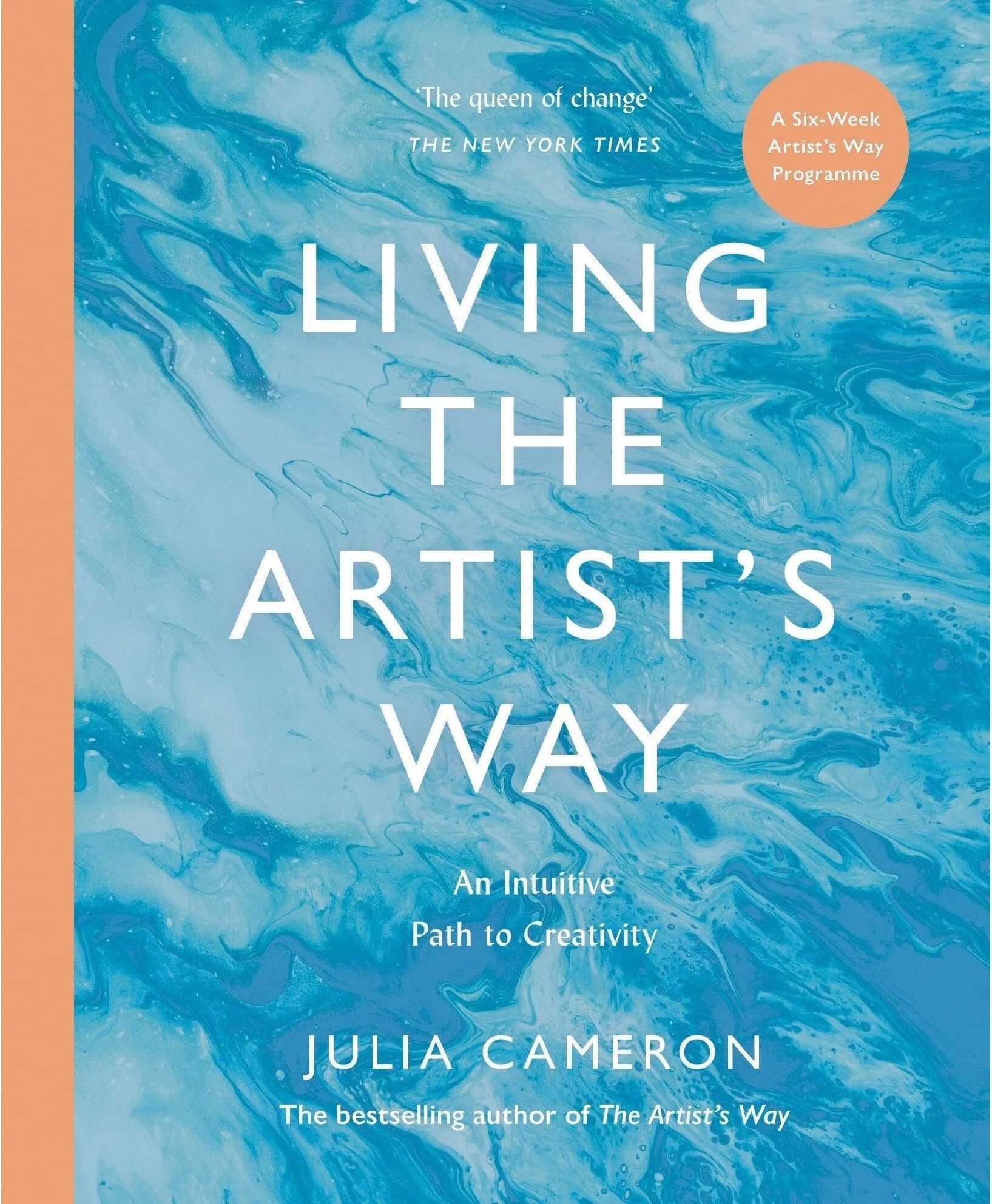
Souvenir Press Living the Artist's Way: An Intuitive Path to Creativity by Julia Cameron - Paperback Self-Help Book on Creativity & GuidanceDiscover Julia Cameron's intuitive path to creativity with Living the Artist's Way, a practical companion for anyone seeking to deepen their creative recovery and quieten self-doubt. This brand new paperback from Souvenir Press invites readers into a deeply personal exploration of how guidance, both spiritual and intuitive, can transform the creative life. Cameron's signature practices, including Morning Pages, Artist Dates, and Walks, are built upon in this six-week programme, introducing readers to Writing for Guidance as a fourth core discipline. A warm and supportive guide for anyone looking to reconnect with their creativity and overcome self-doubt, Living the Artist's Way is a must-read for anyone on a journey of creative discovery.9,99 £*Shipping: 2,99 £Secure redirect to the provider
-
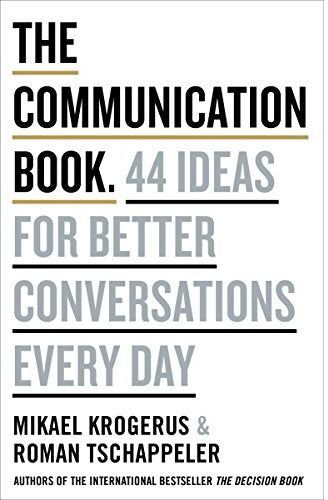
Portfolio Penguin The Communication Book: 44 Ideas for Better Conversations Every DayLEARN THE TECHNIQUES YOU NEED TO COMMUNICATE BETTER AT WORK AND HOME 'Communication is a bit like love - it's what makes the world go round, but nobody really knows how it works.' Struggle to find the words in meetings? Know what you mean but not how to say it? From Aristotle's thoughts on presenting to the Harvard Negotiation Project, internationally bestselling duo Mikael Krogerus and Roman Tschäppeler have 44 tried and tested ideas to change that. Distilled into a single volume, their winning marriage of practicality and humour turns seemingly difficult ideas into clear and entertaining diagrams that will help you: -Brush up on your listening skills and small talk -Run better meetings -Improve the conversations in your head Whether you're a CEO, just starting out or want to improve your relationships at home, this guide will improve your communication skills and help you form more meaningful connections.6,99 £*Shipping: 2,99 £Secure redirect to the provider
-
Portfolio Penguin Hooked: How to Build Habit-Forming Products by Nir EyalNir Eyal reveals how successful companies create products people can't put down - and how you can tooWhy do some products capture our attention while others flop? What makes us engage with certain things out of sheer habit? Is there an underlying pattern to how technologies hook us?Nir Eyal answers these questions (and many more) with the Hook Model - a four-step process that, when embedded into products, subtly encourages customer behaviour. Through consecutive "hook cycles," these products bring people back again and again without depending on costly advertising or aggressive messaging.Hooked is based on Eyal's years of research, consulting, and practical experience. He wrote the book he wished had been available to him as a start-up founder - not abstract theory, but a how-to guide for building better products. Hooked is written for product managers, designers, marketers, start-up founders, and anyone who seeks to understand how products influence our behaviour.Eyal provides readers with practical insights to create user habits that stick; actionable steps for building products people love; and riveting examples from the iPhone to Twitter, Pinterest and the Bible App.7,98 £*Shipping: 2,99 £Secure redirect to the provider


-
What is the hedonistic calculus 2?
The hedonistic calculus is a method used in utilitarianism to measure the amount of pleasure or pain generated by a particular action. It involves calculating the intensity, duration, certainty, propinquity, fecundity, purity, and extent of pleasure or pain that will result from the action. By considering these factors, one can determine whether an action will lead to the greatest overall happiness or utility. Hedonistic calculus 2 is an extension of this concept, which may involve additional considerations or refinements to the original calculation method. **
-
How does Bentham's hedonistic calculus work?
Bentham's hedonistic calculus is a method for measuring the amount of pleasure and pain produced by an action in order to determine its moral worth. It involves considering several factors, such as the intensity, duration, certainty, and propinquity of the pleasure or pain, as well as the extent to which it affects others. Each factor is assigned a numerical value, and the overall balance of pleasure versus pain is calculated to determine whether an action is morally right or wrong. This calculation is based on the principle of maximizing pleasure and minimizing pain, known as the principle of utility. **
-
What is an example of hedonistic calculus?
An example of hedonistic calculus is when a person is deciding whether to go out for a night of partying or stay in and study for an important exam. They would weigh the potential pleasure of going out and having fun against the potential pain of doing poorly on the exam. If they believe that the pleasure of going out outweighs the pain of doing poorly on the exam, they may choose to go out. This decision-making process involves calculating the potential pleasure and pain of each option in order to maximize overall happiness or pleasure. **
-
What is the criticism of hedonistic calculus?
The criticism of hedonistic calculus is that it reduces the complexity of human experiences and values to a simple calculation of pleasure and pain. Critics argue that it fails to account for the nuances of different types of pleasure and pain, as well as the subjective nature of individual preferences and values. Additionally, it is criticized for being too focused on the short-term and individualistic aspects of pleasure, neglecting the long-term and communal aspects of well-being. Overall, the criticism is that hedonistic calculus oversimplifies the complexities of human happiness and well-being. **


What are the disadvantages of the hedonistic calculus?
One disadvantage of the hedonistic calculus is that it can be challenging to accurately measure and compare the intensity and duration of different pleasures and pains. Additionally, individuals may have varying preferences and values, making it difficult to apply a universal standard for happiness. The calculus also does not account for the complexity of human emotions and motivations, which can impact the overall assessment of pleasure and pain. **
What is the difference between utilitarianism and hedonistic calculus?
Utilitarianism is a moral theory that focuses on maximizing overall happiness and well-being for the greatest number of people. It considers the consequences of actions and aims to achieve the greatest good for the greatest number. On the other hand, hedonistic calculus is a specific method within utilitarianism that quantifies pleasure and pain to determine the best course of action. It involves weighing the intensity, duration, certainty, and propinquity of pleasure or pain to make decisions that maximize overall happiness. In essence, hedonistic calculus is a tool used within the broader framework of utilitarianism to measure and compare the potential outcomes of different actions. **
Top-Angebote
Products related to Hedonistic:
-
Pyrex Inspiration 35 x 22cm Rectangular RoasterThe Pyrex Inspiration Rectangular Roaster is made from high borosilicate glass that is thermal shock resistant up to 220°C. The geometric shape of the eye catching design features integrated handles ideal for serving oven baked meals and has a 10 year guarantee. This glass Roaster can store food in the fridge and freezer for easy food preparation. The Pyrex Inspiration Rectangular Roaster is 35 x 22cm.16,19 £*Shipping: 3,50 £Secure redirect to the provider
-
Souvenir Press Living the Artist's Way: An Intuitive Path to Creativity by Julia Cameron - Paperback Self-Help Book on Creativity & GuidanceDiscover Julia Cameron's intuitive path to creativity with Living the Artist's Way, a practical companion for anyone seeking to deepen their creative recovery and quieten self-doubt. This brand new paperback from Souvenir Press invites readers into a deeply personal exploration of how guidance, both spiritual and intuitive, can transform the creative life. Cameron's signature practices, including Morning Pages, Artist Dates, and Walks, are built upon in this six-week programme, introducing readers to Writing for Guidance as a fourth core discipline. A warm and supportive guide for anyone looking to reconnect with their creativity and overcome self-doubt, Living the Artist's Way is a must-read for anyone on a journey of creative discovery.9,99 £*Shipping: 2,99 £Secure redirect to the provider
-
What is the hedonistic calculus?
The hedonistic calculus is a method used in utilitarianism to determine the most ethical course of action by calculating the amount of pleasure and pain that will result from a particular decision. It involves weighing the intensity, duration, certainty, propinquity, fecundity, purity, and extent of pleasure or pain that will be produced by an action. By using this calculus, one can determine which action will result in the greatest overall happiness or pleasure for the greatest number of people. **
-
Is our society too hedonistic?
It is subjective to determine if our society is too hedonistic as it depends on individual perspectives and values. Some may argue that our society places too much emphasis on pleasure-seeking and instant gratification, leading to a lack of focus on long-term goals and values. Others may believe that pursuing happiness and pleasure is a natural part of human existence and should be embraced. Ultimately, finding a balance between enjoying life's pleasures and fulfilling responsibilities is key to a healthy and fulfilling society. **
-
What is the hedonistic calculus 2?
The hedonistic calculus is a method used in utilitarianism to measure the amount of pleasure or pain generated by a particular action. It involves calculating the intensity, duration, certainty, propinquity, fecundity, purity, and extent of pleasure or pain that will result from the action. By considering these factors, one can determine whether an action will lead to the greatest overall happiness or utility. Hedonistic calculus 2 is an extension of this concept, which may involve additional considerations or refinements to the original calculation method. **
-
How does Bentham's hedonistic calculus work?
Bentham's hedonistic calculus is a method for measuring the amount of pleasure and pain produced by an action in order to determine its moral worth. It involves considering several factors, such as the intensity, duration, certainty, and propinquity of the pleasure or pain, as well as the extent to which it affects others. Each factor is assigned a numerical value, and the overall balance of pleasure versus pain is calculated to determine whether an action is morally right or wrong. This calculation is based on the principle of maximizing pleasure and minimizing pain, known as the principle of utility. **
Similar search terms for Hedonistic
-
Portfolio Penguin The Communication Book: 44 Ideas for Better Conversations Every DayLEARN THE TECHNIQUES YOU NEED TO COMMUNICATE BETTER AT WORK AND HOME 'Communication is a bit like love - it's what makes the world go round, but nobody really knows how it works.' Struggle to find the words in meetings? Know what you mean but not how to say it? From Aristotle's thoughts on presenting to the Harvard Negotiation Project, internationally bestselling duo Mikael Krogerus and Roman Tschäppeler have 44 tried and tested ideas to change that. Distilled into a single volume, their winning marriage of practicality and humour turns seemingly difficult ideas into clear and entertaining diagrams that will help you: -Brush up on your listening skills and small talk -Run better meetings -Improve the conversations in your head Whether you're a CEO, just starting out or want to improve your relationships at home, this guide will improve your communication skills and help you form more meaningful connections.6,99 £*Shipping: 2,99 £Secure redirect to the provider
-
Portfolio Penguin Hooked: How to Build Habit-Forming Products by Nir EyalNir Eyal reveals how successful companies create products people can't put down - and how you can tooWhy do some products capture our attention while others flop? What makes us engage with certain things out of sheer habit? Is there an underlying pattern to how technologies hook us?Nir Eyal answers these questions (and many more) with the Hook Model - a four-step process that, when embedded into products, subtly encourages customer behaviour. Through consecutive "hook cycles," these products bring people back again and again without depending on costly advertising or aggressive messaging.Hooked is based on Eyal's years of research, consulting, and practical experience. He wrote the book he wished had been available to him as a start-up founder - not abstract theory, but a how-to guide for building better products. Hooked is written for product managers, designers, marketers, start-up founders, and anyone who seeks to understand how products influence our behaviour.Eyal provides readers with practical insights to create user habits that stick; actionable steps for building products people love; and riveting examples from the iPhone to Twitter, Pinterest and the Bible App.7,98 £*Shipping: 2,99 £Secure redirect to the provider
-
Ultra PRO Pokémon Mega Evolution - Perfect Order 9-Pocket Portfolio for CollectorsStore and protect your Pokémon trading card collection with the Mega Evolution 9-Pocket Portfolio from Ultra PRO. The vibrant cover features Mega Zygarde, while the reverse showcases Mega Clefable for a distinctive display on your shelf or trading table. The portfolio's archival-safe pages help keep standard-sized cards organized and protected. It holds up to 126 cards when single-loaded, or up to 252 cards when cards are placed back-to-back. The nine-pocket pages provide a clear view of your collection, making it easy to arrange cards by set, type, or theme.11,49 £*Shipping: 1,99 £Secure redirect to the provider
-
Summersdale Publishers Inspiration: Thoughts and Quotations for Every DayImmerse yourself in the words of the world’s best writers, leaders and thinkers with this beautiful book of motivational words and quotes. Inspire your heart, free your mind, and bask in the glow of positive thinking.4,99 £*Shipping: 1,99 £Secure redirect to the provider
-
What is an example of hedonistic calculus?
An example of hedonistic calculus is when a person is deciding whether to go out for a night of partying or stay in and study for an important exam. They would weigh the potential pleasure of going out and having fun against the potential pain of doing poorly on the exam. If they believe that the pleasure of going out outweighs the pain of doing poorly on the exam, they may choose to go out. This decision-making process involves calculating the potential pleasure and pain of each option in order to maximize overall happiness or pleasure. **
-
What is the criticism of hedonistic calculus?
The criticism of hedonistic calculus is that it reduces the complexity of human experiences and values to a simple calculation of pleasure and pain. Critics argue that it fails to account for the nuances of different types of pleasure and pain, as well as the subjective nature of individual preferences and values. Additionally, it is criticized for being too focused on the short-term and individualistic aspects of pleasure, neglecting the long-term and communal aspects of well-being. Overall, the criticism is that hedonistic calculus oversimplifies the complexities of human happiness and well-being. **
-
What are the disadvantages of the hedonistic calculus?
One disadvantage of the hedonistic calculus is that it can be challenging to accurately measure and compare the intensity and duration of different pleasures and pains. Additionally, individuals may have varying preferences and values, making it difficult to apply a universal standard for happiness. The calculus also does not account for the complexity of human emotions and motivations, which can impact the overall assessment of pleasure and pain. **
-
What is the difference between utilitarianism and hedonistic calculus?
Utilitarianism is a moral theory that focuses on maximizing overall happiness and well-being for the greatest number of people. It considers the consequences of actions and aims to achieve the greatest good for the greatest number. On the other hand, hedonistic calculus is a specific method within utilitarianism that quantifies pleasure and pain to determine the best course of action. It involves weighing the intensity, duration, certainty, and propinquity of pleasure or pain to make decisions that maximize overall happiness. In essence, hedonistic calculus is a tool used within the broader framework of utilitarianism to measure and compare the potential outcomes of different actions. **
* All prices are inclusive of VAT and, if applicable, plus shipping costs. The offer information is based on the details provided by the respective shop and is updated through automated processes. Real-time updates do not occur, so deviations can occur in individual cases. ** Note: Parts of this content were created by AI.