Buy tomaszwieczorek.eu ?
We are moving the project
tomaszwieczorek.eu .
Are you interested in purchasing the domain
tomaszwieczorek.eu ?
domain@kv-gmbh.de · 0541-91531010
Buy tomaszwieczorek.eu ?
What are colonies?
Colonies are territories or regions that are controlled and governed by a more powerful country or state. The ruling country typically establishes control over the colony for economic, political, or strategic reasons. Colonies are often established through conquest, settlement, or trade, and the ruling country may impose its own laws, customs, and language on the colony. Throughout history, many countries have established colonies around the world, leading to significant cultural, social, and economic impacts on both the ruling country and the colonized region. **
Should colonies be removed?
The decision to remove colonies should be carefully considered on a case-by-case basis. Colonies can have negative impacts on native ecosystems and species, and can also pose health and safety risks to humans. However, removal should be approached with caution, as it can disrupt the balance of local ecosystems and may not always be the most effective solution. It is important to consider alternative methods of managing colonies, such as habitat modification or relocation, before resorting to removal. Ultimately, the decision should be made with the goal of minimizing harm to both the environment and the animals involved. **


Similar search terms for Colonies
Top-Angebote
Products related to Colonies:
-
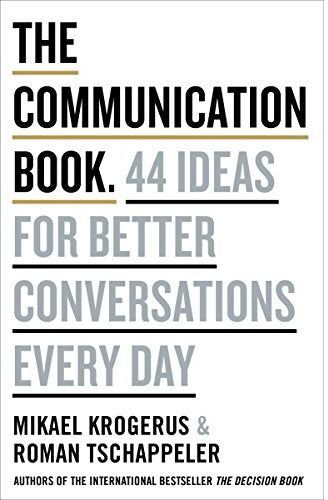
Portfolio Penguin The Communication Book: 44 Ideas for Better Conversations Every DayLEARN THE TECHNIQUES YOU NEED TO COMMUNICATE BETTER AT WORK AND HOME 'Communication is a bit like love - it's what makes the world go round, but nobody really knows how it works.' Struggle to find the words in meetings? Know what you mean but not how to say it? From Aristotle's thoughts on presenting to the Harvard Negotiation Project, internationally bestselling duo Mikael Krogerus and Roman Tschäppeler have 44 tried and tested ideas to change that. Distilled into a single volume, their winning marriage of practicality and humour turns seemingly difficult ideas into clear and entertaining diagrams that will help you: -Brush up on your listening skills and small talk -Run better meetings -Improve the conversations in your head Whether you're a CEO, just starting out or want to improve your relationships at home, this guide will improve your communication skills and help you form more meaningful connections.6,99 £*Shipping: 2,99 £Secure redirect to the provider
-
Portfolio Penguin Hooked: How to Build Habit-Forming Products by Nir EyalNir Eyal reveals how successful companies create products people can't put down - and how you can tooWhy do some products capture our attention while others flop? What makes us engage with certain things out of sheer habit? Is there an underlying pattern to how technologies hook us?Nir Eyal answers these questions (and many more) with the Hook Model - a four-step process that, when embedded into products, subtly encourages customer behaviour. Through consecutive "hook cycles," these products bring people back again and again without depending on costly advertising or aggressive messaging.Hooked is based on Eyal's years of research, consulting, and practical experience. He wrote the book he wished had been available to him as a start-up founder - not abstract theory, but a how-to guide for building better products. Hooked is written for product managers, designers, marketers, start-up founders, and anyone who seeks to understand how products influence our behaviour.Eyal provides readers with practical insights to create user habits that stick; actionable steps for building products people love; and riveting examples from the iPhone to Twitter, Pinterest and the Bible App.7,98 £*Shipping: 2,99 £Secure redirect to the provider



-
Which of the 13 English colonies clearly demonstrate that they are British colonies?
The colony of Virginia clearly demonstrates that it is a British colony. Virginia was the first permanent English settlement in North America, established in 1607. It was named after Queen Elizabeth I, who was known as the "Virgin Queen." Virginia's government and society were heavily influenced by British customs and laws, and it played a significant role in the British colonial system. Additionally, Virginia was a royal colony, meaning it was under direct control of the British crown. **
-
Which of the 13 English colonies clearly show that they are British colonies?
All 13 English colonies were British colonies, but some like Virginia, Massachusetts, and New York clearly demonstrate their British roots through their establishment by British settlers, adherence to British laws and governance, and economic ties to Britain through trade and commerce. These colonies maintained strong cultural, political, and economic connections to Britain, which influenced their development and identity as British colonies. **
-
Where did England have colonies?
England had colonies in various regions around the world, including North America (such as the Thirteen Colonies), the Caribbean (like Jamaica and Barbados), Africa (like South Africa and Nigeria), Asia (such as India and Singapore), and Oceania (like Australia and New Zealand). These colonies were established through exploration, conquest, and colonization efforts by the English throughout history. **
-
What are North American colonies?
North American colonies refer to the territories in North America that were established and governed by European powers, primarily England, France, and Spain, during the 16th to 18th centuries. These colonies were used for economic purposes such as resource extraction, trade, and agriculture, and were often subject to the laws and regulations of the mother country. Over time, many of these colonies gained independence and eventually formed the countries we know today, such as the United States and Canada. **

What are the current colonies?
As of 2021, there are 17 non-self-governing territories recognized by the United Nations as colonies. These include territories such as Western Sahara, Gibraltar, Falkland Islands, and New Caledonia, among others. These territories are under the administration of another country and have not yet achieved self-governance or independence. The status of these territories is subject to ongoing political discussions and negotiations. **
Why was Bismarck against colonies?
Bismarck was against colonies because he believed that they would distract Germany from its main goal of unifying and strengthening its own territory. He also feared that colonies would lead to costly overseas conflicts and divert resources away from domestic development. Additionally, Bismarck was concerned that colonies would create tensions with other European powers and potentially lead to conflicts that could threaten Germany's security. Therefore, he focused on building up Germany's power within Europe rather than seeking overseas colonies. **
Top-Angebote
Products related to Colonies:
-
"Stupell Merry Christmas Cardinals Outdoor Door Mat, design by Dogwood Portfolio, 18""x30"""Bring the timeless charm of natural fibers to your space with our woven imitation sisal mats — designed to offer the rich texture of sisal without sacrificing performance.40,66 $*Shipping: 0,00 $Secure redirect to the provider
-
KALATY Portfolio Storm Gray HandMade Area RugWelcome guests to your home with the rich grey pattern and hand-woven design of this runner rug. Made of premium wool and Silkette, this runner is durable yet also has a lovely transitional style.595,99 $*Shipping: 0,00 $Secure redirect to the provider
-
What are colonies?
Colonies are territories or regions that are controlled and governed by a more powerful country or state. The ruling country typically establishes control over the colony for economic, political, or strategic reasons. Colonies are often established through conquest, settlement, or trade, and the ruling country may impose its own laws, customs, and language on the colony. Throughout history, many countries have established colonies around the world, leading to significant cultural, social, and economic impacts on both the ruling country and the colonized region. **
-
Should colonies be removed?
The decision to remove colonies should be carefully considered on a case-by-case basis. Colonies can have negative impacts on native ecosystems and species, and can also pose health and safety risks to humans. However, removal should be approached with caution, as it can disrupt the balance of local ecosystems and may not always be the most effective solution. It is important to consider alternative methods of managing colonies, such as habitat modification or relocation, before resorting to removal. Ultimately, the decision should be made with the goal of minimizing harm to both the environment and the animals involved. **
-
Which of the 13 English colonies clearly demonstrate that they are British colonies?
The colony of Virginia clearly demonstrates that it is a British colony. Virginia was the first permanent English settlement in North America, established in 1607. It was named after Queen Elizabeth I, who was known as the "Virgin Queen." Virginia's government and society were heavily influenced by British customs and laws, and it played a significant role in the British colonial system. Additionally, Virginia was a royal colony, meaning it was under direct control of the British crown. **
-
Which of the 13 English colonies clearly show that they are British colonies?
All 13 English colonies were British colonies, but some like Virginia, Massachusetts, and New York clearly demonstrate their British roots through their establishment by British settlers, adherence to British laws and governance, and economic ties to Britain through trade and commerce. These colonies maintained strong cultural, political, and economic connections to Britain, which influenced their development and identity as British colonies. **
Similar search terms for Colonies
-
Portfolio Penguin The Communication Book: 44 Ideas for Better Conversations Every DayLEARN THE TECHNIQUES YOU NEED TO COMMUNICATE BETTER AT WORK AND HOME 'Communication is a bit like love - it's what makes the world go round, but nobody really knows how it works.' Struggle to find the words in meetings? Know what you mean but not how to say it? From Aristotle's thoughts on presenting to the Harvard Negotiation Project, internationally bestselling duo Mikael Krogerus and Roman Tschäppeler have 44 tried and tested ideas to change that. Distilled into a single volume, their winning marriage of practicality and humour turns seemingly difficult ideas into clear and entertaining diagrams that will help you: -Brush up on your listening skills and small talk -Run better meetings -Improve the conversations in your head Whether you're a CEO, just starting out or want to improve your relationships at home, this guide will improve your communication skills and help you form more meaningful connections.6,99 £*Shipping: 2,99 £Secure redirect to the provider
-
Portfolio Penguin Hooked: How to Build Habit-Forming Products by Nir EyalNir Eyal reveals how successful companies create products people can't put down - and how you can tooWhy do some products capture our attention while others flop? What makes us engage with certain things out of sheer habit? Is there an underlying pattern to how technologies hook us?Nir Eyal answers these questions (and many more) with the Hook Model - a four-step process that, when embedded into products, subtly encourages customer behaviour. Through consecutive "hook cycles," these products bring people back again and again without depending on costly advertising or aggressive messaging.Hooked is based on Eyal's years of research, consulting, and practical experience. He wrote the book he wished had been available to him as a start-up founder - not abstract theory, but a how-to guide for building better products. Hooked is written for product managers, designers, marketers, start-up founders, and anyone who seeks to understand how products influence our behaviour.Eyal provides readers with practical insights to create user habits that stick; actionable steps for building products people love; and riveting examples from the iPhone to Twitter, Pinterest and the Bible App.7,98 £*Shipping: 2,99 £Secure redirect to the provider
-
Pyrex Inspiration 35 x 22cm Rectangular RoasterThe Pyrex Inspiration Rectangular Roaster is made from high borosilicate glass that is thermal shock resistant up to 220°C. The geometric shape of the eye catching design features integrated handles ideal for serving oven baked meals and has a 10 year guarantee. This glass Roaster can store food in the fridge and freezer for easy food preparation. The Pyrex Inspiration Rectangular Roaster is 35 x 22cm.16,19 £*Shipping: 3,50 £Secure redirect to the provider
-
Where did England have colonies?
England had colonies in various regions around the world, including North America (such as the Thirteen Colonies), the Caribbean (like Jamaica and Barbados), Africa (like South Africa and Nigeria), Asia (such as India and Singapore), and Oceania (like Australia and New Zealand). These colonies were established through exploration, conquest, and colonization efforts by the English throughout history. **
-
What are North American colonies?
North American colonies refer to the territories in North America that were established and governed by European powers, primarily England, France, and Spain, during the 16th to 18th centuries. These colonies were used for economic purposes such as resource extraction, trade, and agriculture, and were often subject to the laws and regulations of the mother country. Over time, many of these colonies gained independence and eventually formed the countries we know today, such as the United States and Canada. **
-
What are the current colonies?
As of 2021, there are 17 non-self-governing territories recognized by the United Nations as colonies. These include territories such as Western Sahara, Gibraltar, Falkland Islands, and New Caledonia, among others. These territories are under the administration of another country and have not yet achieved self-governance or independence. The status of these territories is subject to ongoing political discussions and negotiations. **
-
Why was Bismarck against colonies?
Bismarck was against colonies because he believed that they would distract Germany from its main goal of unifying and strengthening its own territory. He also feared that colonies would lead to costly overseas conflicts and divert resources away from domestic development. Additionally, Bismarck was concerned that colonies would create tensions with other European powers and potentially lead to conflicts that could threaten Germany's security. Therefore, he focused on building up Germany's power within Europe rather than seeking overseas colonies. **
* All prices are inclusive of VAT and, if applicable, plus shipping costs. The offer information is based on the details provided by the respective shop and is updated through automated processes. Real-time updates do not occur, so deviations can occur in individual cases. ** Note: Parts of this content were created by AI.