Buy tomaszwieczorek.eu ?
We are moving the project
tomaszwieczorek.eu .
Are you interested in purchasing the domain
tomaszwieczorek.eu ?
domain@kv-gmbh.de · 0541-91531010
Buy tomaszwieczorek.eu ?
What is the difference between conditional and conditional?
The question seems to have a typo. It appears to be asking for the difference between "conditional" and "condition." A "conditional" typically refers to something that is dependent on a certain condition or situation, such as an "if-then" statement in programming or a requirement that must be met. On the other hand, a "condition" is the specific circumstance or state that must be satisfied for the conditional to be true or for something to happen. In essence, a condition sets the criteria for a conditional to be applicable or valid. **
What are signal words for Conditional 1 and Conditional 2?
Signal words for Conditional 1 include "if," "when," "unless," and "provided that." These words indicate a possible future condition and its likely result. Signal words for Conditional 2 include "would," "could," "might," and "should." These words suggest a hypothetical or unlikely condition and its potential outcome. **


Similar search terms for Conditional
Top-Angebote
Products related to Conditional:
-
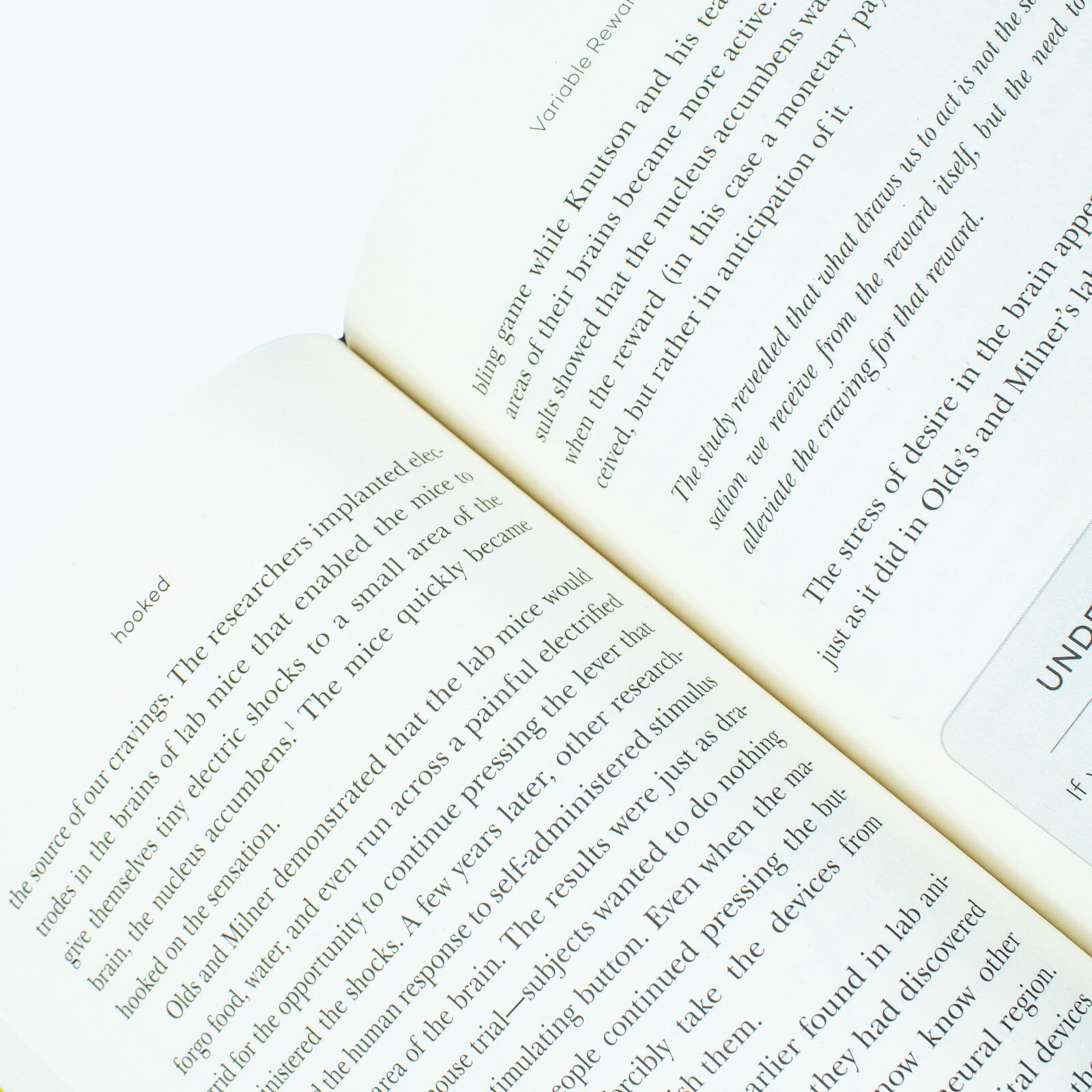
Portfolio Penguin Hooked: How to Build Habit-Forming Products by Nir EyalNir Eyal reveals how successful companies create products people can't put down - and how you can tooWhy do some products capture our attention while others flop? What makes us engage with certain things out of sheer habit? Is there an underlying pattern to how technologies hook us?Nir Eyal answers these questions (and many more) with the Hook Model - a four-step process that, when embedded into products, subtly encourages customer behaviour. Through consecutive "hook cycles," these products bring people back again and again without depending on costly advertising or aggressive messaging.Hooked is based on Eyal's years of research, consulting, and practical experience. He wrote the book he wished had been available to him as a start-up founder - not abstract theory, but a how-to guide for building better products. Hooked is written for product managers, designers, marketers, start-up founders, and anyone who seeks to understand how products influence our behaviour.Eyal provides readers with practical insights to create user habits that stick; actionable steps for building products people love; and riveting examples from the iPhone to Twitter, Pinterest and the Bible App.7,98 £*Shipping: 2,99 £Secure redirect to the provider
-
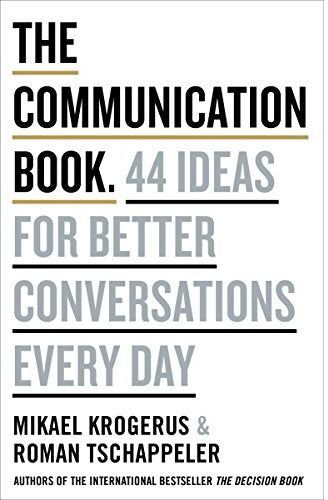
Portfolio Penguin The Communication Book: 44 Ideas for Better Conversations Every DayLEARN THE TECHNIQUES YOU NEED TO COMMUNICATE BETTER AT WORK AND HOME 'Communication is a bit like love - it's what makes the world go round, but nobody really knows how it works.' Struggle to find the words in meetings? Know what you mean but not how to say it? From Aristotle's thoughts on presenting to the Harvard Negotiation Project, internationally bestselling duo Mikael Krogerus and Roman Tschäppeler have 44 tried and tested ideas to change that. Distilled into a single volume, their winning marriage of practicality and humour turns seemingly difficult ideas into clear and entertaining diagrams that will help you: -Brush up on your listening skills and small talk -Run better meetings -Improve the conversations in your head Whether you're a CEO, just starting out or want to improve your relationships at home, this guide will improve your communication skills and help you form more meaningful connections.6,99 £*Shipping: 2,99 £Secure redirect to the provider


-
Is the conditional 1 the same as the conditional present?
Yes, the conditional 1 is the same as the conditional present. In English grammar, the conditional 1 is used to talk about hypothetical situations and their possible outcomes in the present or future. It is formed by using the auxiliary verb "would" followed by the base form of the main verb. This is the same structure used for the conditional present tense, making them essentially the same tense with different names. **
-
Is photography sufficient as a portfolio for studying interior design?
Photography can be a valuable component of an interior design portfolio, as it allows students to showcase their ability to capture and present their design work. However, a comprehensive interior design portfolio should also include hand-drawn sketches, technical drawings, mood boards, and other visual representations of design concepts. These additional elements demonstrate a student's creativity, technical skills, and design process, which are important aspects of studying interior design. Therefore, while photography is important, it should be supplemented with a variety of other visual materials to create a well-rounded portfolio for studying interior design. **
-
What is conditional formatting?
Conditional formatting is a feature in spreadsheet applications that allows users to apply formatting rules to cells based on specific conditions. This feature helps users to visually highlight important information, trends, or outliers in their data. For example, users can set up rules to automatically change the color of cells that meet certain criteria, such as values above a certain threshold. Conditional formatting helps to make data analysis easier and more efficient by drawing attention to key insights. **
-
Conditional, subjunctive or indicative?
The choice between conditional, subjunctive, or indicative mood depends on the context of the sentence. The conditional mood is used to express a hypothetical situation or a condition that is dependent on something else happening. The subjunctive mood is used to express wishes, recommendations, or possibilities. The indicative mood is used to state facts or ask questions. **

What does the Conditional express?
The Conditional expresses a situation or action that is dependent on another situation or action. It is used to talk about hypothetical or possible events in the future, and it often involves the use of the words "if" or "when." The Conditional helps to convey the idea of cause and effect, and it allows us to discuss potential outcomes based on certain conditions being met. **
How is the conditional formed?
The conditional in English is formed by using the modal verb "would" followed by the base form of the main verb. For example, "I would go" or "She would study." The conditional is used to talk about hypothetical situations, future possibilities, or polite requests. It is important to note that the conditional is often used with an "if" clause to show the condition that must be met for the action to take place. **
Top-Angebote
Products related to Conditional:
-
"Stupell Merry Christmas Cardinals Outdoor Door Mat, design by Dogwood Portfolio, 18""x30"""Bring the timeless charm of natural fibers to your space with our woven imitation sisal mats — designed to offer the rich texture of sisal without sacrificing performance.40,66 $*Shipping: 0,00 $Secure redirect to the provider
-
KALATY Portfolio Storm Gray HandMade Area RugWelcome guests to your home with the rich grey pattern and hand-woven design of this runner rug. Made of premium wool and Silkette, this runner is durable yet also has a lovely transitional style.595,99 $*Shipping: 0,00 $Secure redirect to the provider
-
Portfolio Penguin Hooked: How to Build Habit-Forming Products by Nir EyalNir Eyal reveals how successful companies create products people can't put down - and how you can tooWhy do some products capture our attention while others flop? What makes us engage with certain things out of sheer habit? Is there an underlying pattern to how technologies hook us?Nir Eyal answers these questions (and many more) with the Hook Model - a four-step process that, when embedded into products, subtly encourages customer behaviour. Through consecutive "hook cycles," these products bring people back again and again without depending on costly advertising or aggressive messaging.Hooked is based on Eyal's years of research, consulting, and practical experience. He wrote the book he wished had been available to him as a start-up founder - not abstract theory, but a how-to guide for building better products. Hooked is written for product managers, designers, marketers, start-up founders, and anyone who seeks to understand how products influence our behaviour.Eyal provides readers with practical insights to create user habits that stick; actionable steps for building products people love; and riveting examples from the iPhone to Twitter, Pinterest and the Bible App.7,98 £*Shipping: 2,99 £Secure redirect to the provider
-
What is the difference between conditional and conditional?
The question seems to have a typo. It appears to be asking for the difference between "conditional" and "condition." A "conditional" typically refers to something that is dependent on a certain condition or situation, such as an "if-then" statement in programming or a requirement that must be met. On the other hand, a "condition" is the specific circumstance or state that must be satisfied for the conditional to be true or for something to happen. In essence, a condition sets the criteria for a conditional to be applicable or valid. **
-
What are signal words for Conditional 1 and Conditional 2?
Signal words for Conditional 1 include "if," "when," "unless," and "provided that." These words indicate a possible future condition and its likely result. Signal words for Conditional 2 include "would," "could," "might," and "should." These words suggest a hypothetical or unlikely condition and its potential outcome. **
-
Is the conditional 1 the same as the conditional present?
Yes, the conditional 1 is the same as the conditional present. In English grammar, the conditional 1 is used to talk about hypothetical situations and their possible outcomes in the present or future. It is formed by using the auxiliary verb "would" followed by the base form of the main verb. This is the same structure used for the conditional present tense, making them essentially the same tense with different names. **
-
Is photography sufficient as a portfolio for studying interior design?
Photography can be a valuable component of an interior design portfolio, as it allows students to showcase their ability to capture and present their design work. However, a comprehensive interior design portfolio should also include hand-drawn sketches, technical drawings, mood boards, and other visual representations of design concepts. These additional elements demonstrate a student's creativity, technical skills, and design process, which are important aspects of studying interior design. Therefore, while photography is important, it should be supplemented with a variety of other visual materials to create a well-rounded portfolio for studying interior design. **
Similar search terms for Conditional
-
Portfolio Penguin The Communication Book: 44 Ideas for Better Conversations Every DayLEARN THE TECHNIQUES YOU NEED TO COMMUNICATE BETTER AT WORK AND HOME 'Communication is a bit like love - it's what makes the world go round, but nobody really knows how it works.' Struggle to find the words in meetings? Know what you mean but not how to say it? From Aristotle's thoughts on presenting to the Harvard Negotiation Project, internationally bestselling duo Mikael Krogerus and Roman Tschäppeler have 44 tried and tested ideas to change that. Distilled into a single volume, their winning marriage of practicality and humour turns seemingly difficult ideas into clear and entertaining diagrams that will help you: -Brush up on your listening skills and small talk -Run better meetings -Improve the conversations in your head Whether you're a CEO, just starting out or want to improve your relationships at home, this guide will improve your communication skills and help you form more meaningful connections.6,99 £*Shipping: 2,99 £Secure redirect to the provider
-
Pyrex Inspiration 35 x 22cm Rectangular RoasterThe Pyrex Inspiration Rectangular Roaster is made from high borosilicate glass that is thermal shock resistant up to 220°C. The geometric shape of the eye catching design features integrated handles ideal for serving oven baked meals and has a 10 year guarantee. This glass Roaster can store food in the fridge and freezer for easy food preparation. The Pyrex Inspiration Rectangular Roaster is 35 x 22cm.16,19 £*Shipping: 3,50 £Secure redirect to the provider
-
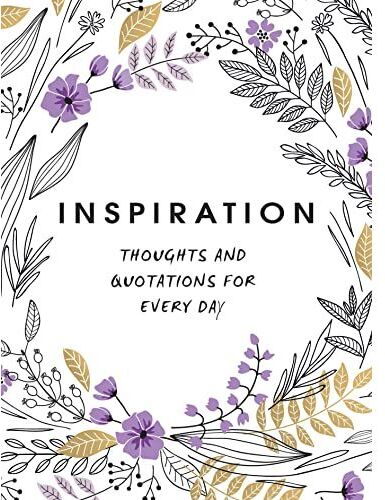
Summersdale Publishers Inspiration: Thoughts and Quotations for Every DayImmerse yourself in the words of the world’s best writers, leaders and thinkers with this beautiful book of motivational words and quotes. Inspire your heart, free your mind, and bask in the glow of positive thinking.4,99 £*Shipping: 1,99 £Secure redirect to the provider
-
What is conditional formatting?
Conditional formatting is a feature in spreadsheet applications that allows users to apply formatting rules to cells based on specific conditions. This feature helps users to visually highlight important information, trends, or outliers in their data. For example, users can set up rules to automatically change the color of cells that meet certain criteria, such as values above a certain threshold. Conditional formatting helps to make data analysis easier and more efficient by drawing attention to key insights. **
-
Conditional, subjunctive or indicative?
The choice between conditional, subjunctive, or indicative mood depends on the context of the sentence. The conditional mood is used to express a hypothetical situation or a condition that is dependent on something else happening. The subjunctive mood is used to express wishes, recommendations, or possibilities. The indicative mood is used to state facts or ask questions. **
-
What does the Conditional express?
The Conditional expresses a situation or action that is dependent on another situation or action. It is used to talk about hypothetical or possible events in the future, and it often involves the use of the words "if" or "when." The Conditional helps to convey the idea of cause and effect, and it allows us to discuss potential outcomes based on certain conditions being met. **
-
How is the conditional formed?
The conditional in English is formed by using the modal verb "would" followed by the base form of the main verb. For example, "I would go" or "She would study." The conditional is used to talk about hypothetical situations, future possibilities, or polite requests. It is important to note that the conditional is often used with an "if" clause to show the condition that must be met for the action to take place. **
* All prices are inclusive of VAT and, if applicable, plus shipping costs. The offer information is based on the details provided by the respective shop and is updated through automated processes. Real-time updates do not occur, so deviations can occur in individual cases. ** Note: Parts of this content were created by AI.