Buy tomaszwieczorek.eu ?
We are moving the project
tomaszwieczorek.eu .
Are you interested in purchasing the domain
tomaszwieczorek.eu ?
domain@kv-gmbh.de · 0541-91531010
Buy tomaszwieczorek.eu ?
What is depreciation?
Depreciation is the decrease in value of an asset over time due to wear and tear, obsolescence, or other factors. It is a method used in accounting to allocate the cost of an asset over its useful life. By recognizing depreciation expenses, a company can accurately reflect the decrease in value of its assets on its financial statements. Depreciation is important for businesses to properly account for the decrease in value of their assets and to accurately report their financial performance. **
What is the difference between calculated depreciation and accounting depreciation?
Calculated depreciation refers to the estimated reduction in the value of an asset over time, typically based on its useful life and salvage value. Accounting depreciation, on the other hand, is the systematic allocation of the cost of an asset to its useful life in the company's financial statements, following specific accounting rules and standards. While calculated depreciation is more of an estimation, accounting depreciation is a formal recognition of the reduction in the asset's value on the company's books. **


Similar search terms for Depreciation
Top-Angebote
Products related to Depreciation:
-
KALATY Portfolio Java/Brown Wool Handmade Area RugBring epoch-straddling appeal to a casual living room with this Portfolio rug. Pairing classic, architecture-inspired motifs and a brown finish for understated appeal, this rug is Handmade from wool and viscose for resilience.64,37 $*Shipping: 0,00 $Secure redirect to the provider
-
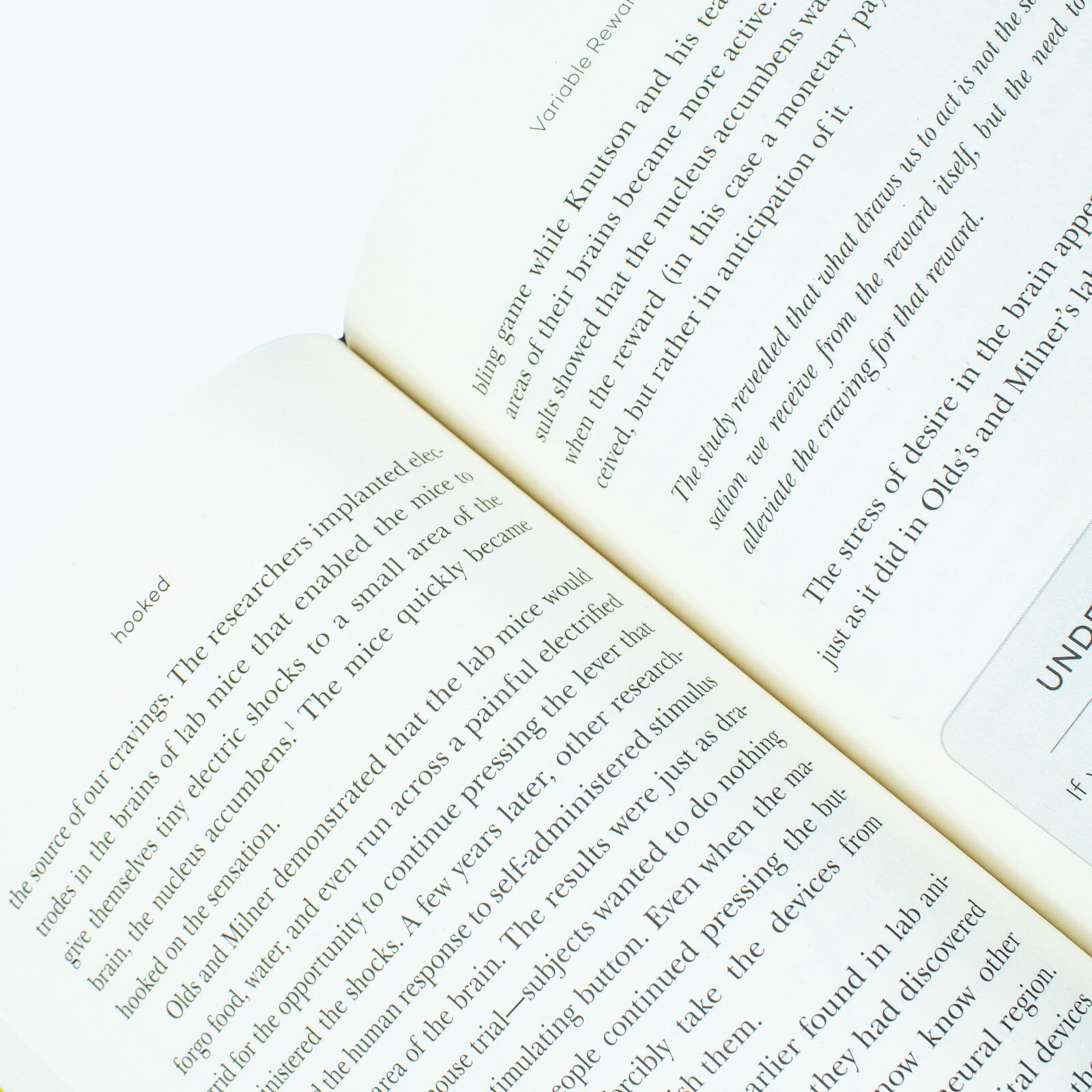
Portfolio Penguin Hooked: How to Build Habit-Forming Products by Nir EyalNir Eyal reveals how successful companies create products people can't put down - and how you can tooWhy do some products capture our attention while others flop? What makes us engage with certain things out of sheer habit? Is there an underlying pattern to how technologies hook us?Nir Eyal answers these questions (and many more) with the Hook Model - a four-step process that, when embedded into products, subtly encourages customer behaviour. Through consecutive "hook cycles," these products bring people back again and again without depending on costly advertising or aggressive messaging.Hooked is based on Eyal's years of research, consulting, and practical experience. He wrote the book he wished had been available to him as a start-up founder - not abstract theory, but a how-to guide for building better products. Hooked is written for product managers, designers, marketers, start-up founders, and anyone who seeks to understand how products influence our behaviour.Eyal provides readers with practical insights to create user habits that stick; actionable steps for building products people love; and riveting examples from the iPhone to Twitter, Pinterest and the Bible App.7,98 £*Shipping: 2,99 £Secure redirect to the provider



-
Why is the calculated depreciation lower than the accounting depreciation?
The calculated depreciation is often lower than the accounting depreciation because it is based on the asset's useful life and salvage value, while accounting depreciation may include additional factors such as tax regulations or management's discretion. Calculated depreciation follows a systematic method like straight-line or reducing balance, whereas accounting depreciation can be influenced by various accounting policies or methods chosen by the company. Additionally, accounting depreciation may consider impairment charges or revaluation of assets, leading to differences in the calculated and accounting depreciation figures. **
-
What are accumulated depreciation?
Accumulated depreciation is the total amount of depreciation expense that has been recorded for a fixed asset since it was acquired. It represents the total decrease in the value of the asset over time due to wear and tear, obsolescence, or other factors. Accumulated depreciation is a contra-asset account, meaning it is subtracted from the original cost of the asset to determine its net book value on the balance sheet. It is important for accurately reflecting the true value of the asset and for calculating depreciation expense for future periods. **
-
How to calculate the depreciation of a car through straight-line depreciation?
To calculate the depreciation of a car through straight-line depreciation, you first need to determine the initial cost of the car, including any additional costs like taxes or registration fees. Next, estimate the salvage value of the car at the end of its useful life. Then, subtract the salvage value from the initial cost to find the depreciable cost. Finally, divide the depreciable cost by the number of years in the car's useful life to determine the annual depreciation expense. **
-
What is depreciation and what is meant by a declining balance depreciation?
Depreciation is the gradual decrease in the value of an asset over time due to wear and tear, obsolescence, or other factors. Declining balance depreciation is a method of calculating depreciation where the asset's value decreases by a fixed percentage each year. This method typically results in higher depreciation expenses in the earlier years of an asset's life and lower expenses in later years. **


How do you calculate the depreciation of a car through straight-line depreciation?
To calculate the depreciation of a car through straight-line depreciation, you would first determine the initial cost of the car. Then, you would subtract the car's estimated salvage value (the amount you expect to sell the car for at the end of its useful life) from the initial cost to find the depreciable cost. Next, you would divide the depreciable cost by the number of years in the car's useful life to find the annual depreciation expense. This annual depreciation expense would be the same for each year of the car's useful life, hence the term "straight-line" depreciation. **
Why is the calculated depreciation lower than the depreciation in the balance sheet?
The calculated depreciation is based on the estimated useful life of the asset and the method used for depreciation, such as straight-line or reducing balance method. It may be lower than the depreciation in the balance sheet if the company has chosen a more conservative approach to depreciation in their financial statements to account for potential fluctuations in the asset's value or to comply with accounting standards. Additionally, the company may have made adjustments for impairment or changes in the asset's useful life that are not reflected in the calculated depreciation. **
Top-Angebote
Products related to Depreciation:
-
Smells Like Spells Norse Magic Bragi incense sticks (inspiration/creativity) 50 gSmells Like Spells Norse Magic Bragi, 50 g, Incense Sticks Home Scents, Smells Like Spells Norse Magic Bragi incense sticks are suitable for scenting spaces and creating a pleasant atmosphere. They help prevent stress, have a positive effect on the human psyche, calm the mind and are also a disinfectant. Characteristics: a fresh fragrance a herbal aroma How to use: Light the end of the incense stick and blow out the flame. Place the stick in a holder. Make sure there is no draught in the room. Place the holder on a hard surface so that it does not fall over. Do not leave the product within the reach of children or pets.6,10 £*Shipping: 3,99 £Secure redirect to the provider
-
KALATY Portfolio Java/Brown Wool Handmade Area RugBring epoch-straddling appeal to a casual living room with this Portfolio rug. Pairing classic, architecture-inspired motifs and a brown finish for understated appeal, this rug is Handmade from wool and viscose for resilience.64,37 $*Shipping: 0,00 $Secure redirect to the provider
-
What is depreciation?
Depreciation is the decrease in value of an asset over time due to wear and tear, obsolescence, or other factors. It is a method used in accounting to allocate the cost of an asset over its useful life. By recognizing depreciation expenses, a company can accurately reflect the decrease in value of its assets on its financial statements. Depreciation is important for businesses to properly account for the decrease in value of their assets and to accurately report their financial performance. **
-
What is the difference between calculated depreciation and accounting depreciation?
Calculated depreciation refers to the estimated reduction in the value of an asset over time, typically based on its useful life and salvage value. Accounting depreciation, on the other hand, is the systematic allocation of the cost of an asset to its useful life in the company's financial statements, following specific accounting rules and standards. While calculated depreciation is more of an estimation, accounting depreciation is a formal recognition of the reduction in the asset's value on the company's books. **
-
Why is the calculated depreciation lower than the accounting depreciation?
The calculated depreciation is often lower than the accounting depreciation because it is based on the asset's useful life and salvage value, while accounting depreciation may include additional factors such as tax regulations or management's discretion. Calculated depreciation follows a systematic method like straight-line or reducing balance, whereas accounting depreciation can be influenced by various accounting policies or methods chosen by the company. Additionally, accounting depreciation may consider impairment charges or revaluation of assets, leading to differences in the calculated and accounting depreciation figures. **
-
What are accumulated depreciation?
Accumulated depreciation is the total amount of depreciation expense that has been recorded for a fixed asset since it was acquired. It represents the total decrease in the value of the asset over time due to wear and tear, obsolescence, or other factors. Accumulated depreciation is a contra-asset account, meaning it is subtracted from the original cost of the asset to determine its net book value on the balance sheet. It is important for accurately reflecting the true value of the asset and for calculating depreciation expense for future periods. **
Similar search terms for Depreciation
-
Portfolio Penguin Hooked: How to Build Habit-Forming Products by Nir EyalNir Eyal reveals how successful companies create products people can't put down - and how you can tooWhy do some products capture our attention while others flop? What makes us engage with certain things out of sheer habit? Is there an underlying pattern to how technologies hook us?Nir Eyal answers these questions (and many more) with the Hook Model - a four-step process that, when embedded into products, subtly encourages customer behaviour. Through consecutive "hook cycles," these products bring people back again and again without depending on costly advertising or aggressive messaging.Hooked is based on Eyal's years of research, consulting, and practical experience. He wrote the book he wished had been available to him as a start-up founder - not abstract theory, but a how-to guide for building better products. Hooked is written for product managers, designers, marketers, start-up founders, and anyone who seeks to understand how products influence our behaviour.Eyal provides readers with practical insights to create user habits that stick; actionable steps for building products people love; and riveting examples from the iPhone to Twitter, Pinterest and the Bible App.7,98 £*Shipping: 2,99 £Secure redirect to the provider
-
How to calculate the depreciation of a car through straight-line depreciation?
To calculate the depreciation of a car through straight-line depreciation, you first need to determine the initial cost of the car, including any additional costs like taxes or registration fees. Next, estimate the salvage value of the car at the end of its useful life. Then, subtract the salvage value from the initial cost to find the depreciable cost. Finally, divide the depreciable cost by the number of years in the car's useful life to determine the annual depreciation expense. **
-
What is depreciation and what is meant by a declining balance depreciation?
Depreciation is the gradual decrease in the value of an asset over time due to wear and tear, obsolescence, or other factors. Declining balance depreciation is a method of calculating depreciation where the asset's value decreases by a fixed percentage each year. This method typically results in higher depreciation expenses in the earlier years of an asset's life and lower expenses in later years. **
-
How do you calculate the depreciation of a car through straight-line depreciation?
To calculate the depreciation of a car through straight-line depreciation, you would first determine the initial cost of the car. Then, you would subtract the car's estimated salvage value (the amount you expect to sell the car for at the end of its useful life) from the initial cost to find the depreciable cost. Next, you would divide the depreciable cost by the number of years in the car's useful life to find the annual depreciation expense. This annual depreciation expense would be the same for each year of the car's useful life, hence the term "straight-line" depreciation. **
-
Why is the calculated depreciation lower than the depreciation in the balance sheet?
The calculated depreciation is based on the estimated useful life of the asset and the method used for depreciation, such as straight-line or reducing balance method. It may be lower than the depreciation in the balance sheet if the company has chosen a more conservative approach to depreciation in their financial statements to account for potential fluctuations in the asset's value or to comply with accounting standards. Additionally, the company may have made adjustments for impairment or changes in the asset's useful life that are not reflected in the calculated depreciation. **
* All prices are inclusive of VAT and, if applicable, plus shipping costs. The offer information is based on the details provided by the respective shop and is updated through automated processes. Real-time updates do not occur, so deviations can occur in individual cases. ** Note: Parts of this content were created by AI.