Buy tomaszwieczorek.eu ?
We are moving the project
tomaszwieczorek.eu .
Are you interested in purchasing the domain
tomaszwieczorek.eu ?
domain@kv-gmbh.de · 0541-91531010
Buy tomaszwieczorek.eu ?
Is reverse dieting helpful?
Reverse dieting can be helpful for individuals who have been on a prolonged calorie-restricted diet and want to gradually increase their calorie intake without gaining excessive weight. It can help prevent rapid weight regain and metabolic adaptation by slowly increasing calories and allowing the body to adjust to higher energy intake. However, reverse dieting may not be necessary for everyone and should be approached with caution, as it can be mentally challenging and may not be suitable for those with a history of disordered eating. It's important to consult with a healthcare professional or registered dietitian before embarking on a reverse dieting plan. **
Should one take a break from dieting?
Yes, it can be beneficial to take a break from dieting for both physical and mental reasons. Physically, taking a break can help prevent metabolic adaptation and plateaus, and can also give the body a chance to reset and recover. Mentally, taking a break can help reduce feelings of deprivation and restriction, and can also help prevent disordered eating patterns. It's important to listen to your body and give yourself permission to take a break when needed. **


Similar search terms for Dieting
Top-Angebote
Products related to Dieting:
-
KALATY Portfolio Java/Brown Wool Handmade Area RugBring epoch-straddling appeal to a casual living room with this Portfolio rug. Pairing classic, architecture-inspired motifs and a brown finish for understated appeal, this rug is Handmade from wool and viscose for resilience.64,37 $*Shipping: 0,00 $Secure redirect to the provider
-
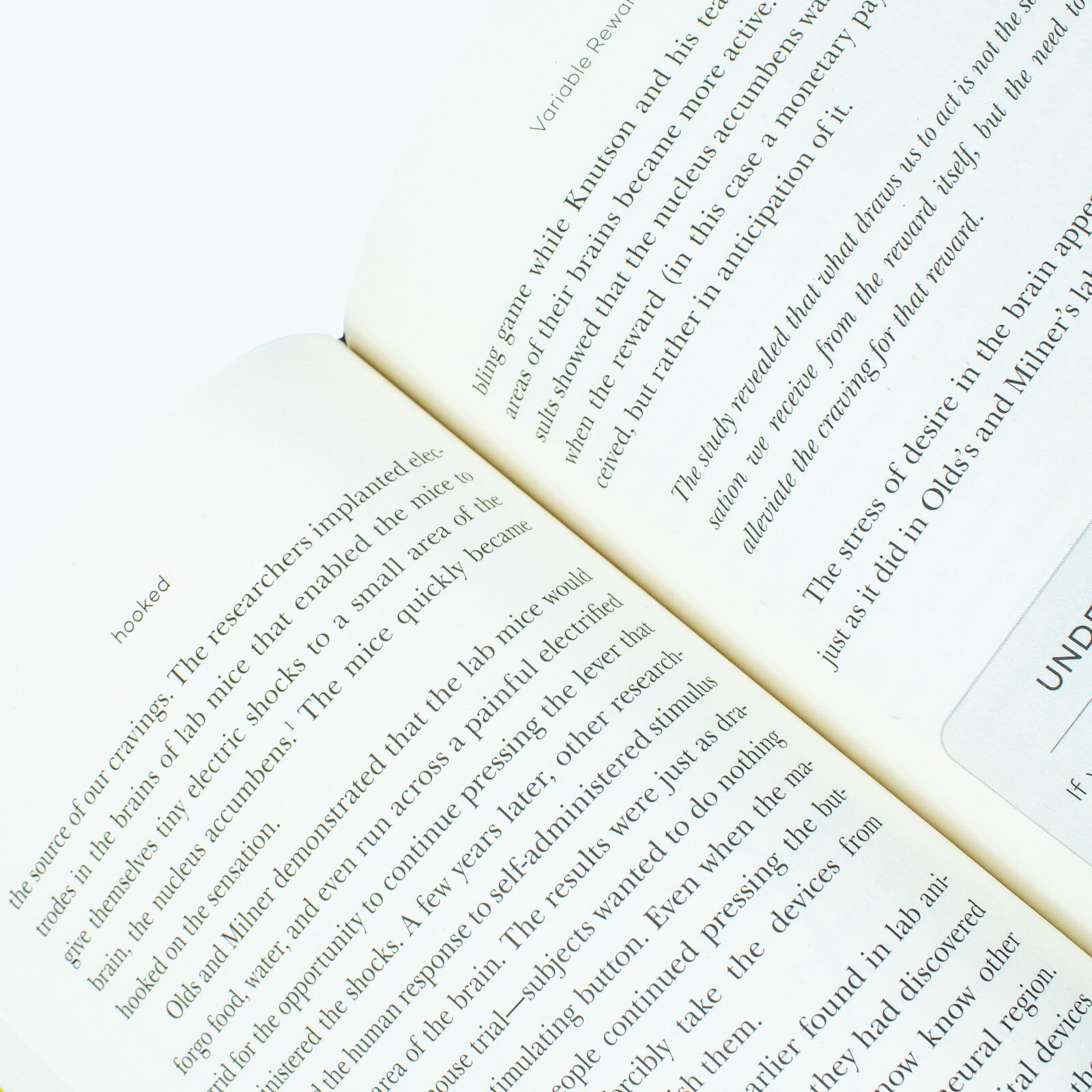
Portfolio Penguin Hooked: How to Build Habit-Forming Products by Nir EyalNir Eyal reveals how successful companies create products people can't put down - and how you can tooWhy do some products capture our attention while others flop? What makes us engage with certain things out of sheer habit? Is there an underlying pattern to how technologies hook us?Nir Eyal answers these questions (and many more) with the Hook Model - a four-step process that, when embedded into products, subtly encourages customer behaviour. Through consecutive "hook cycles," these products bring people back again and again without depending on costly advertising or aggressive messaging.Hooked is based on Eyal's years of research, consulting, and practical experience. He wrote the book he wished had been available to him as a start-up founder - not abstract theory, but a how-to guide for building better products. Hooked is written for product managers, designers, marketers, start-up founders, and anyone who seeks to understand how products influence our behaviour.Eyal provides readers with practical insights to create user habits that stick; actionable steps for building products people love; and riveting examples from the iPhone to Twitter, Pinterest and the Bible App.7,98 £*Shipping: 2,99 £Secure redirect to the provider


-
Will I gain weight through reverse dieting?
Reverse dieting is a gradual increase in caloric intake after a period of calorie restriction. While it is possible to gain weight during reverse dieting, the goal is to minimize fat gain and instead focus on increasing muscle mass and metabolic rate. By slowly increasing calories and monitoring progress, individuals can minimize the likelihood of gaining excess weight during reverse dieting. It is important to work with a qualified professional to create a personalized reverse dieting plan that aligns with your specific goals and needs. **
-
Has anyone ever had experience with crash dieting?
Yes, many people have had experience with crash dieting. Crash dieting involves drastically reducing calorie intake in a short period of time, often leading to rapid weight loss. While crash dieting may result in quick results, it is not sustainable or healthy in the long term and can have negative effects on both physical and mental health. It is important to focus on making gradual, sustainable changes to achieve and maintain a healthy weight. **
-
What is the motivation for losing weight and dieting?
The motivation for losing weight and dieting can vary from person to person. Some common motivations include improving overall health and reducing the risk of chronic diseases such as heart disease and diabetes. Others may be motivated by wanting to feel more confident in their appearance or to improve their physical fitness and energy levels. Additionally, some individuals may be motivated by specific events or goals, such as a wedding or a milestone birthday. Ultimately, the key is to find a motivation that is personally meaningful and sustainable for long-term success. **
-
What is the difference between healthy eating and dieting?
Healthy eating focuses on consuming a balanced diet that includes a variety of nutrients and food groups to support overall health and well-being. It emphasizes nourishing the body with whole, minimally processed foods and maintaining a healthy relationship with food. On the other hand, dieting often involves restrictive eating patterns with the goal of achieving a specific weight or body shape. It can be more focused on short-term results and may involve cutting out certain food groups or severely limiting calorie intake, which can be detrimental to overall health. Ultimately, healthy eating is about nourishing the body, while dieting often involves a more rigid and temporary approach to food. **


What is the motivation for weight loss and dieting?
The motivation for weight loss and dieting can vary from person to person, but common motivations include improving overall health, increasing self-confidence, enhancing physical appearance, and reducing the risk of developing weight-related health conditions such as diabetes, heart disease, and high blood pressure. Additionally, some individuals may be motivated to lose weight and diet in order to improve athletic performance or to fit into a certain size of clothing. Ultimately, the motivation for weight loss and dieting is often driven by a desire to feel better physically and emotionally. **
Is photography sufficient as a portfolio for studying interior design?
Photography can be a valuable component of an interior design portfolio, as it allows students to showcase their ability to capture and present their design work. However, a comprehensive interior design portfolio should also include hand-drawn sketches, technical drawings, mood boards, and other visual representations of design concepts. These additional elements demonstrate a student's creativity, technical skills, and design process, which are important aspects of studying interior design. Therefore, while photography is important, it should be supplemented with a variety of other visual materials to create a well-rounded portfolio for studying interior design. **
Top-Angebote
Products related to Dieting:
-
Smells Like Spells Norse Magic Bragi incense sticks (inspiration/creativity) 50 gSmells Like Spells Norse Magic Bragi, 50 g, Incense Sticks Home Scents, Smells Like Spells Norse Magic Bragi incense sticks are suitable for scenting spaces and creating a pleasant atmosphere. They help prevent stress, have a positive effect on the human psyche, calm the mind and are also a disinfectant. Characteristics: a fresh fragrance a herbal aroma How to use: Light the end of the incense stick and blow out the flame. Place the stick in a holder. Make sure there is no draught in the room. Place the holder on a hard surface so that it does not fall over. Do not leave the product within the reach of children or pets.6,10 £*Shipping: 3,99 £Secure redirect to the provider
-
KALATY Portfolio Java/Brown Wool Handmade Area RugBring epoch-straddling appeal to a casual living room with this Portfolio rug. Pairing classic, architecture-inspired motifs and a brown finish for understated appeal, this rug is Handmade from wool and viscose for resilience.64,37 $*Shipping: 0,00 $Secure redirect to the provider
-
Is reverse dieting helpful?
Reverse dieting can be helpful for individuals who have been on a prolonged calorie-restricted diet and want to gradually increase their calorie intake without gaining excessive weight. It can help prevent rapid weight regain and metabolic adaptation by slowly increasing calories and allowing the body to adjust to higher energy intake. However, reverse dieting may not be necessary for everyone and should be approached with caution, as it can be mentally challenging and may not be suitable for those with a history of disordered eating. It's important to consult with a healthcare professional or registered dietitian before embarking on a reverse dieting plan. **
-
Should one take a break from dieting?
Yes, it can be beneficial to take a break from dieting for both physical and mental reasons. Physically, taking a break can help prevent metabolic adaptation and plateaus, and can also give the body a chance to reset and recover. Mentally, taking a break can help reduce feelings of deprivation and restriction, and can also help prevent disordered eating patterns. It's important to listen to your body and give yourself permission to take a break when needed. **
-
Will I gain weight through reverse dieting?
Reverse dieting is a gradual increase in caloric intake after a period of calorie restriction. While it is possible to gain weight during reverse dieting, the goal is to minimize fat gain and instead focus on increasing muscle mass and metabolic rate. By slowly increasing calories and monitoring progress, individuals can minimize the likelihood of gaining excess weight during reverse dieting. It is important to work with a qualified professional to create a personalized reverse dieting plan that aligns with your specific goals and needs. **
-
Has anyone ever had experience with crash dieting?
Yes, many people have had experience with crash dieting. Crash dieting involves drastically reducing calorie intake in a short period of time, often leading to rapid weight loss. While crash dieting may result in quick results, it is not sustainable or healthy in the long term and can have negative effects on both physical and mental health. It is important to focus on making gradual, sustainable changes to achieve and maintain a healthy weight. **
Similar search terms for Dieting
-
Portfolio Penguin Hooked: How to Build Habit-Forming Products by Nir EyalNir Eyal reveals how successful companies create products people can't put down - and how you can tooWhy do some products capture our attention while others flop? What makes us engage with certain things out of sheer habit? Is there an underlying pattern to how technologies hook us?Nir Eyal answers these questions (and many more) with the Hook Model - a four-step process that, when embedded into products, subtly encourages customer behaviour. Through consecutive "hook cycles," these products bring people back again and again without depending on costly advertising or aggressive messaging.Hooked is based on Eyal's years of research, consulting, and practical experience. He wrote the book he wished had been available to him as a start-up founder - not abstract theory, but a how-to guide for building better products. Hooked is written for product managers, designers, marketers, start-up founders, and anyone who seeks to understand how products influence our behaviour.Eyal provides readers with practical insights to create user habits that stick; actionable steps for building products people love; and riveting examples from the iPhone to Twitter, Pinterest and the Bible App.7,98 £*Shipping: 2,99 £Secure redirect to the provider
-
What is the motivation for losing weight and dieting?
The motivation for losing weight and dieting can vary from person to person. Some common motivations include improving overall health and reducing the risk of chronic diseases such as heart disease and diabetes. Others may be motivated by wanting to feel more confident in their appearance or to improve their physical fitness and energy levels. Additionally, some individuals may be motivated by specific events or goals, such as a wedding or a milestone birthday. Ultimately, the key is to find a motivation that is personally meaningful and sustainable for long-term success. **
-
What is the difference between healthy eating and dieting?
Healthy eating focuses on consuming a balanced diet that includes a variety of nutrients and food groups to support overall health and well-being. It emphasizes nourishing the body with whole, minimally processed foods and maintaining a healthy relationship with food. On the other hand, dieting often involves restrictive eating patterns with the goal of achieving a specific weight or body shape. It can be more focused on short-term results and may involve cutting out certain food groups or severely limiting calorie intake, which can be detrimental to overall health. Ultimately, healthy eating is about nourishing the body, while dieting often involves a more rigid and temporary approach to food. **
-
What is the motivation for weight loss and dieting?
The motivation for weight loss and dieting can vary from person to person, but common motivations include improving overall health, increasing self-confidence, enhancing physical appearance, and reducing the risk of developing weight-related health conditions such as diabetes, heart disease, and high blood pressure. Additionally, some individuals may be motivated to lose weight and diet in order to improve athletic performance or to fit into a certain size of clothing. Ultimately, the motivation for weight loss and dieting is often driven by a desire to feel better physically and emotionally. **
-
Is photography sufficient as a portfolio for studying interior design?
Photography can be a valuable component of an interior design portfolio, as it allows students to showcase their ability to capture and present their design work. However, a comprehensive interior design portfolio should also include hand-drawn sketches, technical drawings, mood boards, and other visual representations of design concepts. These additional elements demonstrate a student's creativity, technical skills, and design process, which are important aspects of studying interior design. Therefore, while photography is important, it should be supplemented with a variety of other visual materials to create a well-rounded portfolio for studying interior design. **
* All prices are inclusive of VAT and, if applicable, plus shipping costs. The offer information is based on the details provided by the respective shop and is updated through automated processes. Real-time updates do not occur, so deviations can occur in individual cases. ** Note: Parts of this content were created by AI.