Buy tomaszwieczorek.eu ?
We are moving the project
tomaszwieczorek.eu .
Are you interested in purchasing the domain
tomaszwieczorek.eu ?
domain@kv-gmbh.de · 0541-91531010
Buy tomaszwieczorek.eu ?
Can fondant harden quickly?
Yes, fondant can harden quickly, especially when exposed to air. This process is known as drying or setting. Factors such as the thickness of the fondant layer, the humidity in the environment, and the presence of air circulation can all affect how quickly fondant hardens. To slow down the hardening process, fondant can be stored in an airtight container or wrapped tightly in plastic wrap. **
How do fingernails harden?
Fingernails harden due to the protein called keratin, which is a key component of nails, hair, and skin. As new nail cells grow, they push older cells towards the tips of the fingers, where they harden and eventually form the visible nail plate. The keratin in these older cells undergoes a process of cross-linking, which strengthens and hardens the nail. Factors such as diet, hydration, and overall health can also impact the hardness and strength of fingernails. **


Similar search terms for Harden
Top-Angebote
Products related to Harden:
-
KALATY Portfolio Java/Brown Wool Handmade Area RugBring epoch-straddling appeal to a casual living room with this Portfolio rug. Pairing classic, architecture-inspired motifs and a brown finish for understated appeal, this rug is Handmade from wool and viscose for resilience.64,37 $*Shipping: 0,00 $Secure redirect to the provider
-
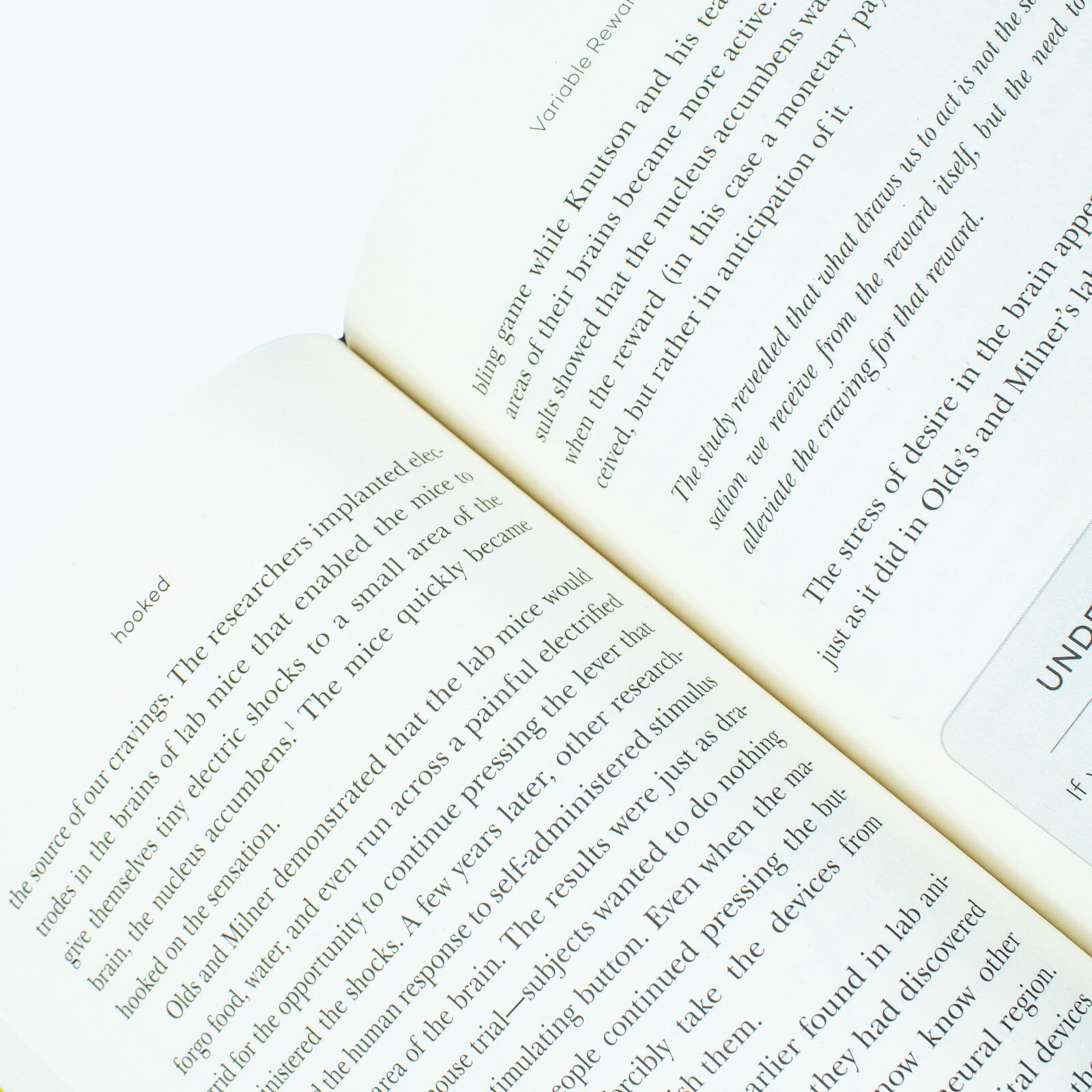
Portfolio Penguin Hooked: How to Build Habit-Forming Products by Nir EyalNir Eyal reveals how successful companies create products people can't put down - and how you can tooWhy do some products capture our attention while others flop? What makes us engage with certain things out of sheer habit? Is there an underlying pattern to how technologies hook us?Nir Eyal answers these questions (and many more) with the Hook Model - a four-step process that, when embedded into products, subtly encourages customer behaviour. Through consecutive "hook cycles," these products bring people back again and again without depending on costly advertising or aggressive messaging.Hooked is based on Eyal's years of research, consulting, and practical experience. He wrote the book he wished had been available to him as a start-up founder - not abstract theory, but a how-to guide for building better products. Hooked is written for product managers, designers, marketers, start-up founders, and anyone who seeks to understand how products influence our behaviour.Eyal provides readers with practical insights to create user habits that stick; actionable steps for building products people love; and riveting examples from the iPhone to Twitter, Pinterest and the Bible App.7,98 £*Shipping: 2,99 £Secure redirect to the provider


-
Why doesn't paste harden?
Paste doesn't harden because it contains water, which prevents it from drying out completely. The water in the paste keeps it in a semi-liquid state, allowing it to remain pliable and easy to work with. Additionally, the ingredients in paste, such as starch or flour, form a network that traps the water molecules, preventing the paste from hardening. This allows the paste to maintain its adhesive properties and remain usable for an extended period of time. **
-
Why don't chocolates harden?
Chocolates don't harden because of the unique crystalline structure of cocoa butter, which is the fat in chocolate. When chocolate is melted and then cooled, the cocoa butter can form different types of crystals, depending on the temperature and the speed of cooling. If the chocolate is not properly tempered, it can result in the formation of unstable crystals, which can make the chocolate soft and prone to melting at room temperature. Properly tempered chocolate will have a stable crystalline structure, resulting in a smooth, shiny finish and a satisfying snap when broken. **
-
How do bones harden?
Bones harden through a process called ossification, which involves the deposition of minerals, primarily calcium and phosphorus, into the bone matrix. Osteoblasts, specialized bone-forming cells, play a key role in this process by secreting collagen and other proteins that form the bone matrix, which then becomes mineralized. As the bone continues to grow and develop, the mineralization process strengthens and hardens the bone, providing structural support and protection for the body. This process is essential for maintaining bone strength and integrity. **
-
How do you harden bones?
Bones can be hardened through a process called mineralization, where minerals such as calcium and phosphorus are deposited into the bone matrix. This process helps to increase the density and strength of the bones, making them less prone to fractures. Consuming a diet rich in calcium, vitamin D, and other nutrients essential for bone health, as well as engaging in weight-bearing exercises, can help promote bone mineralization and overall bone strength. Additionally, avoiding habits like smoking and excessive alcohol consumption can also help prevent bone weakening and promote bone hardness. **


Why doesn't UV resin harden?
UV resin may not harden due to a few reasons. One common reason is that the resin may not have been exposed to enough UV light for the recommended amount of time. Another reason could be that the resin is expired or has been stored improperly, causing it to lose its effectiveness. Additionally, the resin may not harden if it is applied too thickly, as UV light may not be able to penetrate through the entire layer. It is important to follow the manufacturer's instructions and ensure proper curing conditions to achieve the desired results. **
Why doesn't DIY slime harden?
DIY slime typically does not harden because it is made with ingredients like glue and cornstarch that do not undergo a chemical reaction to form a solid structure. The slime remains in a viscous state due to the properties of the ingredients used. Additionally, the addition of water or other liquids in the recipe helps maintain the slimy consistency rather than allowing it to harden. **
Top-Angebote
Products related to Harden:
-
Smells Like Spells Norse Magic Bragi incense sticks (inspiration/creativity) 50 gSmells Like Spells Norse Magic Bragi, 50 g, Incense Sticks Home Scents, Smells Like Spells Norse Magic Bragi incense sticks are suitable for scenting spaces and creating a pleasant atmosphere. They help prevent stress, have a positive effect on the human psyche, calm the mind and are also a disinfectant. Characteristics: a fresh fragrance a herbal aroma How to use: Light the end of the incense stick and blow out the flame. Place the stick in a holder. Make sure there is no draught in the room. Place the holder on a hard surface so that it does not fall over. Do not leave the product within the reach of children or pets.6,10 £*Shipping: 3,99 £Secure redirect to the provider
-
KALATY Portfolio Java/Brown Wool Handmade Area RugBring epoch-straddling appeal to a casual living room with this Portfolio rug. Pairing classic, architecture-inspired motifs and a brown finish for understated appeal, this rug is Handmade from wool and viscose for resilience.64,37 $*Shipping: 0,00 $Secure redirect to the provider
-
Can fondant harden quickly?
Yes, fondant can harden quickly, especially when exposed to air. This process is known as drying or setting. Factors such as the thickness of the fondant layer, the humidity in the environment, and the presence of air circulation can all affect how quickly fondant hardens. To slow down the hardening process, fondant can be stored in an airtight container or wrapped tightly in plastic wrap. **
-
How do fingernails harden?
Fingernails harden due to the protein called keratin, which is a key component of nails, hair, and skin. As new nail cells grow, they push older cells towards the tips of the fingers, where they harden and eventually form the visible nail plate. The keratin in these older cells undergoes a process of cross-linking, which strengthens and hardens the nail. Factors such as diet, hydration, and overall health can also impact the hardness and strength of fingernails. **
-
Why doesn't paste harden?
Paste doesn't harden because it contains water, which prevents it from drying out completely. The water in the paste keeps it in a semi-liquid state, allowing it to remain pliable and easy to work with. Additionally, the ingredients in paste, such as starch or flour, form a network that traps the water molecules, preventing the paste from hardening. This allows the paste to maintain its adhesive properties and remain usable for an extended period of time. **
-
Why don't chocolates harden?
Chocolates don't harden because of the unique crystalline structure of cocoa butter, which is the fat in chocolate. When chocolate is melted and then cooled, the cocoa butter can form different types of crystals, depending on the temperature and the speed of cooling. If the chocolate is not properly tempered, it can result in the formation of unstable crystals, which can make the chocolate soft and prone to melting at room temperature. Properly tempered chocolate will have a stable crystalline structure, resulting in a smooth, shiny finish and a satisfying snap when broken. **
Similar search terms for Harden
-
Portfolio Penguin Hooked: How to Build Habit-Forming Products by Nir EyalNir Eyal reveals how successful companies create products people can't put down - and how you can tooWhy do some products capture our attention while others flop? What makes us engage with certain things out of sheer habit? Is there an underlying pattern to how technologies hook us?Nir Eyal answers these questions (and many more) with the Hook Model - a four-step process that, when embedded into products, subtly encourages customer behaviour. Through consecutive "hook cycles," these products bring people back again and again without depending on costly advertising or aggressive messaging.Hooked is based on Eyal's years of research, consulting, and practical experience. He wrote the book he wished had been available to him as a start-up founder - not abstract theory, but a how-to guide for building better products. Hooked is written for product managers, designers, marketers, start-up founders, and anyone who seeks to understand how products influence our behaviour.Eyal provides readers with practical insights to create user habits that stick; actionable steps for building products people love; and riveting examples from the iPhone to Twitter, Pinterest and the Bible App.7,98 £*Shipping: 2,99 £Secure redirect to the provider
-
How do bones harden?
Bones harden through a process called ossification, which involves the deposition of minerals, primarily calcium and phosphorus, into the bone matrix. Osteoblasts, specialized bone-forming cells, play a key role in this process by secreting collagen and other proteins that form the bone matrix, which then becomes mineralized. As the bone continues to grow and develop, the mineralization process strengthens and hardens the bone, providing structural support and protection for the body. This process is essential for maintaining bone strength and integrity. **
-
How do you harden bones?
Bones can be hardened through a process called mineralization, where minerals such as calcium and phosphorus are deposited into the bone matrix. This process helps to increase the density and strength of the bones, making them less prone to fractures. Consuming a diet rich in calcium, vitamin D, and other nutrients essential for bone health, as well as engaging in weight-bearing exercises, can help promote bone mineralization and overall bone strength. Additionally, avoiding habits like smoking and excessive alcohol consumption can also help prevent bone weakening and promote bone hardness. **
-
Why doesn't UV resin harden?
UV resin may not harden due to a few reasons. One common reason is that the resin may not have been exposed to enough UV light for the recommended amount of time. Another reason could be that the resin is expired or has been stored improperly, causing it to lose its effectiveness. Additionally, the resin may not harden if it is applied too thickly, as UV light may not be able to penetrate through the entire layer. It is important to follow the manufacturer's instructions and ensure proper curing conditions to achieve the desired results. **
-
Why doesn't DIY slime harden?
DIY slime typically does not harden because it is made with ingredients like glue and cornstarch that do not undergo a chemical reaction to form a solid structure. The slime remains in a viscous state due to the properties of the ingredients used. Additionally, the addition of water or other liquids in the recipe helps maintain the slimy consistency rather than allowing it to harden. **
* All prices are inclusive of VAT and, if applicable, plus shipping costs. The offer information is based on the details provided by the respective shop and is updated through automated processes. Real-time updates do not occur, so deviations can occur in individual cases. ** Note: Parts of this content were created by AI.