Buy tomaszwieczorek.eu ?
We are moving the project
tomaszwieczorek.eu .
Are you interested in purchasing the domain
tomaszwieczorek.eu ?
domain@kv-gmbh.de · 0541-91531010
Buy tomaszwieczorek.eu ?
How is propene produced from 1-propanol and 2-propanol?
Propene can be produced from 1-propanol and 2-propanol through a process called dehydration. In this process, the alcohol is heated in the presence of a catalyst, such as alumina or phosphoric acid, which removes a molecule of water from the alcohol, resulting in the formation of propene. This reaction is an example of an elimination reaction, where a small molecule, in this case water, is removed from a larger molecule to form a new compound. Propene is an important building block in the production of various chemicals and plastics. **
What is the difference between ethanol, 2-propanol, and propanol?
Ethanol, 2-propanol (isopropanol), and propanol are all types of alcohol, but they differ in their chemical structures. Ethanol, also known as ethyl alcohol, has two carbon atoms and is commonly found in alcoholic beverages. 2-propanol, or isopropanol, has three carbon atoms and is commonly used as a solvent and in disinfectants. Propanol, also known as 1-propanol, has three carbon atoms and is used as a solvent and in the production of other chemicals. Each of these alcohols has different properties and uses due to their unique chemical structures. **


Similar search terms for Propanol
Top-Angebote
Products related to Propanol:
-
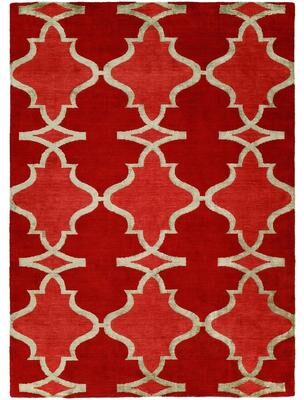
KALATY Portfolio Red Hot Handmade Area RugInvite vibrancy into your classic interior with the bold red motif of this area rug. The Handmade wool construction infuses warmth and texture into your room, and the touch of silkette adds a silky sheen.279,99 $*Shipping: 0,00 $Secure redirect to the provider
-
KALATY Portfolio Black Wool and Viscose Handmade Area RugSpice up light-colored flooring with this Portfolio area rug. Showcasing a geometric pattern by designer Parisa Abdollahi, this Handmade wool and viscose rug oozes casual style and fits various motifs.68,49 $*Shipping: 0,00 $Secure redirect to the provider


-
What are the isomers of propanol?
The isomers of propanol are n-propanol (1-propanol), isopropanol (2-propanol), and tert-butyl alcohol (2-methyl-2-propanol). These isomers have the same molecular formula (C3H8O) but differ in their structural arrangement. N-propanol has a linear chain of three carbon atoms, isopropanol has a branched chain with a methyl group attached to the second carbon atom, and tert-butyl alcohol has a branched chain with a tert-butyl group attached to the second carbon atom. **
-
How effective is Propanol against acne?
Propanol, also known as isopropyl alcohol, is not typically used as a treatment for acne. While it has some antibacterial properties, it is primarily used as a disinfectant and solvent, and can be harsh and drying on the skin. There are many other more effective and gentle treatments for acne, such as benzoyl peroxide, salicylic acid, and prescription medications like retinoids and antibiotics. It is important to consult with a dermatologist to determine the best treatment plan for acne. **
-
What is the reaction equation for propanol?
The reaction equation for propanol is C3H7OH + 4O2 -> 3CO2 + 4H2O. This equation represents the combustion of propanol, where propanol reacts with oxygen to produce carbon dioxide and water. **
-
What can 2-propanol be used for?
2-propanol, also known as isopropyl alcohol, has a wide range of uses. It is commonly used as a solvent for coatings, inks, and adhesives. It is also used as a cleaning agent for electronic devices, such as computer screens and circuit boards. Additionally, 2-propanol is used as a disinfectant and antiseptic in healthcare settings and as a rubbing alcohol for minor cuts and scrapes. **
How can propionic acid be produced from propanol?
Propionic acid can be produced from propanol through a process called oxidation. First, propanol is oxidized to form propionaldehyde using a suitable oxidizing agent such as potassium dichromate. Then, propionaldehyde is further oxidized to propionic acid using a mild oxidizing agent like silver oxide or a catalytic process with air or oxygen. This process can be carried out in the presence of a suitable catalyst and under controlled conditions to ensure the efficient conversion of propanol to propionic acid. **
What is the difference between propanol and propanone?
Propanol and propanone are both organic compounds with similar names, but they have different chemical structures and properties. Propanol, also known as 1-propanol, is a primary alcohol with the chemical formula C3H7OH. It is a colorless liquid with a strong odor and is commonly used as a solvent and in the production of other chemicals. Propanone, also known as acetone, is a ketone with the chemical formula (CH3)2CO. It is a colorless, volatile liquid with a sweet odor and is commonly used as a solvent and in nail polish remover. The main difference between the two is that propanol is an alcohol, while propanone is a ketone. **
Top-Angebote
Products related to Propanol:
-
KALATY Portfolio Red Hot Handmade Area RugInvite vibrancy into your classic interior with the bold red motif of this area rug. The Handmade wool construction infuses warmth and texture into your room, and the touch of silkette adds a silky sheen.279,99 $*Shipping: 0,00 $Secure redirect to the provider
-
How is propene produced from 1-propanol and 2-propanol?
Propene can be produced from 1-propanol and 2-propanol through a process called dehydration. In this process, the alcohol is heated in the presence of a catalyst, such as alumina or phosphoric acid, which removes a molecule of water from the alcohol, resulting in the formation of propene. This reaction is an example of an elimination reaction, where a small molecule, in this case water, is removed from a larger molecule to form a new compound. Propene is an important building block in the production of various chemicals and plastics. **
-
What is the difference between ethanol, 2-propanol, and propanol?
Ethanol, 2-propanol (isopropanol), and propanol are all types of alcohol, but they differ in their chemical structures. Ethanol, also known as ethyl alcohol, has two carbon atoms and is commonly found in alcoholic beverages. 2-propanol, or isopropanol, has three carbon atoms and is commonly used as a solvent and in disinfectants. Propanol, also known as 1-propanol, has three carbon atoms and is used as a solvent and in the production of other chemicals. Each of these alcohols has different properties and uses due to their unique chemical structures. **
-
What are the isomers of propanol?
The isomers of propanol are n-propanol (1-propanol), isopropanol (2-propanol), and tert-butyl alcohol (2-methyl-2-propanol). These isomers have the same molecular formula (C3H8O) but differ in their structural arrangement. N-propanol has a linear chain of three carbon atoms, isopropanol has a branched chain with a methyl group attached to the second carbon atom, and tert-butyl alcohol has a branched chain with a tert-butyl group attached to the second carbon atom. **
-
How effective is Propanol against acne?
Propanol, also known as isopropyl alcohol, is not typically used as a treatment for acne. While it has some antibacterial properties, it is primarily used as a disinfectant and solvent, and can be harsh and drying on the skin. There are many other more effective and gentle treatments for acne, such as benzoyl peroxide, salicylic acid, and prescription medications like retinoids and antibiotics. It is important to consult with a dermatologist to determine the best treatment plan for acne. **
Similar search terms for Propanol
-
KALATY Portfolio Black Wool and Viscose Handmade Area RugSpice up light-colored flooring with this Portfolio area rug. Showcasing a geometric pattern by designer Parisa Abdollahi, this Handmade wool and viscose rug oozes casual style and fits various motifs.68,49 $*Shipping: 0,00 $Secure redirect to the provider
-
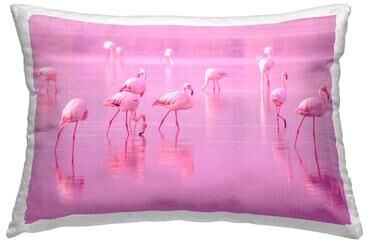
Stupell Pink Flamingo Flock Printed Throw Pillow Design By Pink Sherbet PhotographyUpdate your home interiors easily with Stupell Industries' Decorative Printed Pillow. Pillows are printed in a wide variety of colors, styles and trends. Pillows arrive with inserts already zipped inside their case.40,49 $*Shipping: 0,00 $Secure redirect to the provider
-
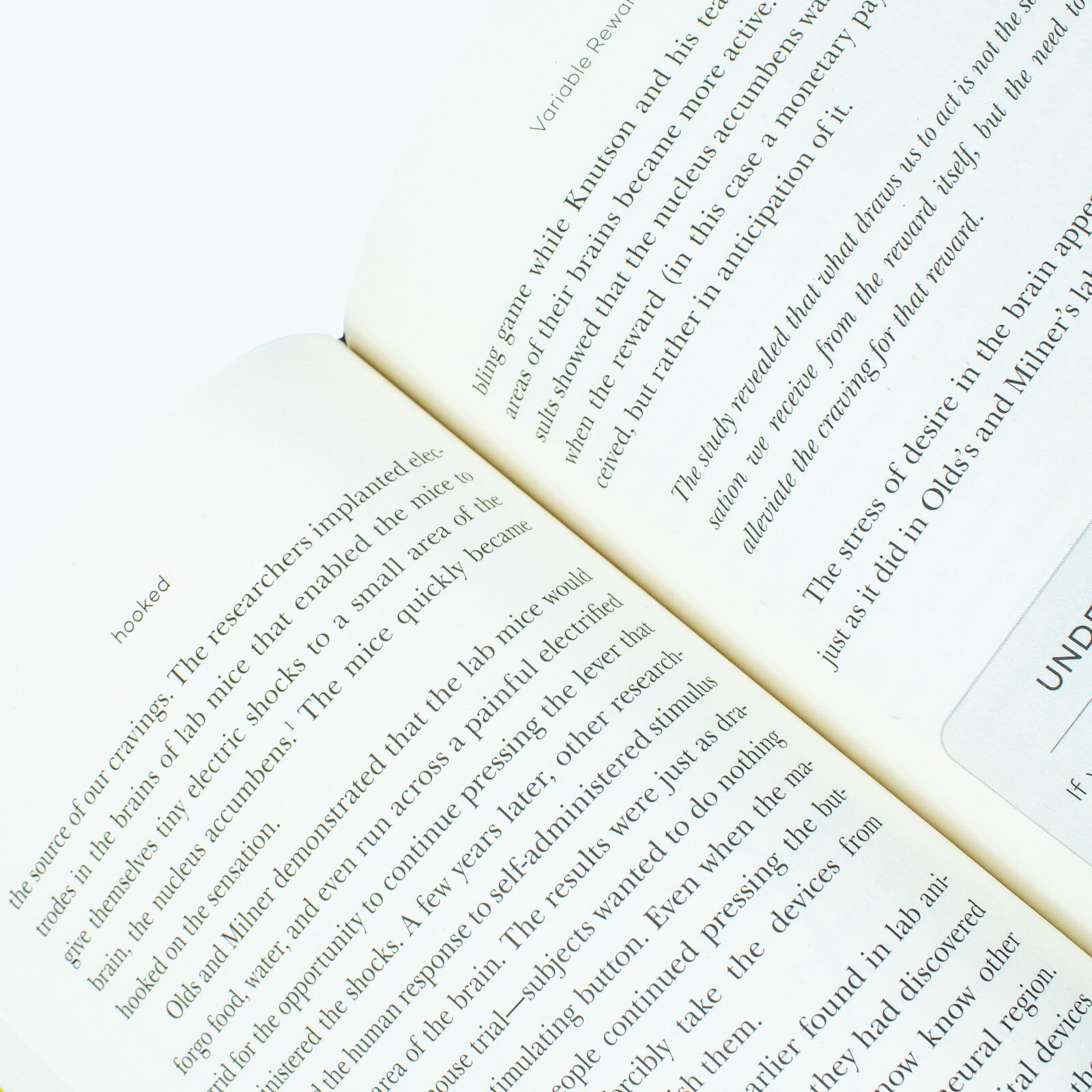
Portfolio Penguin Hooked: How to Build Habit-Forming Products by Nir EyalNir Eyal reveals how successful companies create products people can't put down - and how you can tooWhy do some products capture our attention while others flop? What makes us engage with certain things out of sheer habit? Is there an underlying pattern to how technologies hook us?Nir Eyal answers these questions (and many more) with the Hook Model - a four-step process that, when embedded into products, subtly encourages customer behaviour. Through consecutive "hook cycles," these products bring people back again and again without depending on costly advertising or aggressive messaging.Hooked is based on Eyal's years of research, consulting, and practical experience. He wrote the book he wished had been available to him as a start-up founder - not abstract theory, but a how-to guide for building better products. Hooked is written for product managers, designers, marketers, start-up founders, and anyone who seeks to understand how products influence our behaviour.Eyal provides readers with practical insights to create user habits that stick; actionable steps for building products people love; and riveting examples from the iPhone to Twitter, Pinterest and the Bible App.7,98 £*Shipping: 2,99 £Secure redirect to the provider
-
What is the reaction equation for propanol?
The reaction equation for propanol is C3H7OH + 4O2 -> 3CO2 + 4H2O. This equation represents the combustion of propanol, where propanol reacts with oxygen to produce carbon dioxide and water. **
-
What can 2-propanol be used for?
2-propanol, also known as isopropyl alcohol, has a wide range of uses. It is commonly used as a solvent for coatings, inks, and adhesives. It is also used as a cleaning agent for electronic devices, such as computer screens and circuit boards. Additionally, 2-propanol is used as a disinfectant and antiseptic in healthcare settings and as a rubbing alcohol for minor cuts and scrapes. **
-
How can propionic acid be produced from propanol?
Propionic acid can be produced from propanol through a process called oxidation. First, propanol is oxidized to form propionaldehyde using a suitable oxidizing agent such as potassium dichromate. Then, propionaldehyde is further oxidized to propionic acid using a mild oxidizing agent like silver oxide or a catalytic process with air or oxygen. This process can be carried out in the presence of a suitable catalyst and under controlled conditions to ensure the efficient conversion of propanol to propionic acid. **
-
What is the difference between propanol and propanone?
Propanol and propanone are both organic compounds with similar names, but they have different chemical structures and properties. Propanol, also known as 1-propanol, is a primary alcohol with the chemical formula C3H7OH. It is a colorless liquid with a strong odor and is commonly used as a solvent and in the production of other chemicals. Propanone, also known as acetone, is a ketone with the chemical formula (CH3)2CO. It is a colorless, volatile liquid with a sweet odor and is commonly used as a solvent and in nail polish remover. The main difference between the two is that propanol is an alcohol, while propanone is a ketone. **
* All prices are inclusive of VAT and, if applicable, plus shipping costs. The offer information is based on the details provided by the respective shop and is updated through automated processes. Real-time updates do not occur, so deviations can occur in individual cases. ** Note: Parts of this content were created by AI.