Buy tomaszwieczorek.eu ?
We are moving the project
tomaszwieczorek.eu .
Are you interested in purchasing the domain
tomaszwieczorek.eu ?
domain@kv-gmbh.de · 0541-91531010
Buy tomaszwieczorek.eu ?
What is reactivity?
Reactivity refers to how likely a substance is to undergo a chemical reaction. Highly reactive substances are more likely to react with other substances, while less reactive substances are more stable and less likely to undergo reactions. Reactivity is influenced by factors such as the arrangement of electrons in an atom or molecule, the presence of functional groups, and the chemical environment in which the substance is placed. Understanding the reactivity of a substance is important in predicting its behavior in various chemical reactions. **
What is reactivity in elimination?
Reactivity in elimination refers to the relative ease with which a particular substrate undergoes elimination reaction. Substrates with more reactive leaving groups or more substituted carbons are generally more reactive in elimination reactions. Reactivity can also be influenced by the nature of the base or catalyst used in the elimination reaction. Understanding the reactivity of a substrate is important for predicting and controlling the outcome of elimination reactions. **


Similar search terms for Reactivity
Top-Angebote
Products related to Reactivity:
-
KALATY Portfolio Java/Brown Wool Handmade Area RugBring epoch-straddling appeal to a casual living room with this Portfolio rug. Pairing classic, architecture-inspired motifs and a brown finish for understated appeal, this rug is Handmade from wool and viscose for resilience.64,37 $*Shipping: 0,00 $Secure redirect to the provider
-
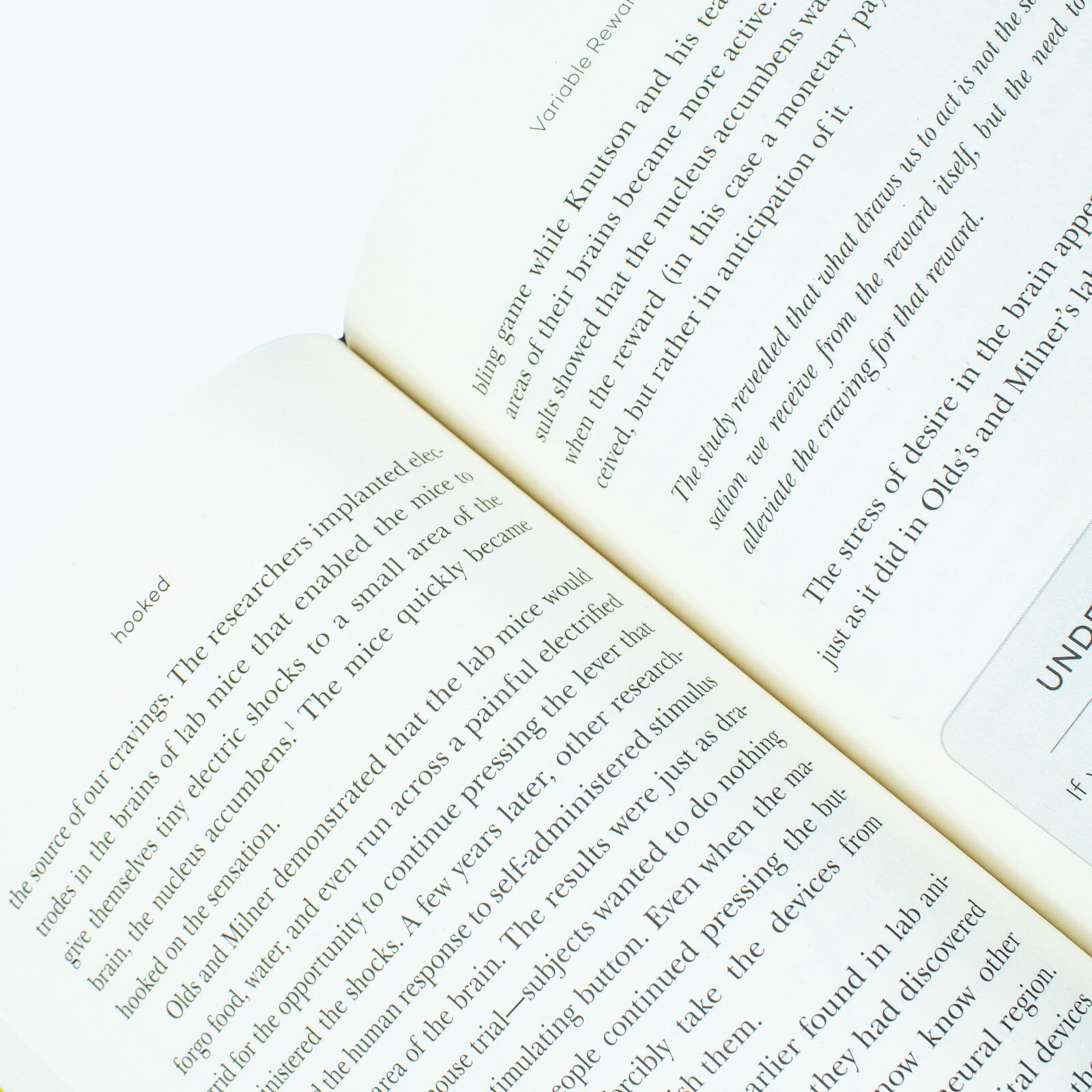
Portfolio Penguin Hooked: How to Build Habit-Forming Products by Nir EyalNir Eyal reveals how successful companies create products people can't put down - and how you can tooWhy do some products capture our attention while others flop? What makes us engage with certain things out of sheer habit? Is there an underlying pattern to how technologies hook us?Nir Eyal answers these questions (and many more) with the Hook Model - a four-step process that, when embedded into products, subtly encourages customer behaviour. Through consecutive "hook cycles," these products bring people back again and again without depending on costly advertising or aggressive messaging.Hooked is based on Eyal's years of research, consulting, and practical experience. He wrote the book he wished had been available to him as a start-up founder - not abstract theory, but a how-to guide for building better products. Hooked is written for product managers, designers, marketers, start-up founders, and anyone who seeks to understand how products influence our behaviour.Eyal provides readers with practical insights to create user habits that stick; actionable steps for building products people love; and riveting examples from the iPhone to Twitter, Pinterest and the Bible App.7,98 £*Shipping: 2,99 £Secure redirect to the provider



-
What is reactivity in chemistry?
Reactivity in chemistry refers to the tendency of a substance to undergo chemical reactions with other substances. This can be influenced by factors such as the arrangement of electrons in the atoms, the presence of functional groups, and the stability of the resulting products. Highly reactive substances are more likely to participate in chemical reactions, while less reactive substances are more stable and less likely to undergo reactions. Understanding reactivity is important in predicting how substances will behave in various chemical processes and reactions. **
-
Why do alkenes and alkynes have a high reactivity? Why is the reactivity of alkenes greater than that of alkanes and the reactivity of alkynes the greatest?
Alkenes and alkynes have high reactivity due to the presence of pi bonds, which are more easily broken than the sigma bonds found in alkanes. The pi bonds in alkenes and alkynes are more exposed and less stable, making them more susceptible to reactions. The reactivity of alkenes is greater than that of alkanes because they have one or more pi bonds, which provide more opportunities for chemical reactions. Similarly, alkynes have the greatest reactivity because they have two pi bonds, making them even more susceptible to reactions than alkenes. **
-
What is the reactivity of alkenes and alkynes?
Alkenes and alkynes are more reactive than alkanes due to the presence of pi bonds in their structures. The pi bonds allow for the addition of atoms or groups to the carbon-carbon double or triple bond, making them susceptible to various types of reactions such as addition reactions. Alkynes are generally more reactive than alkenes due to the presence of a triple bond, which provides more opportunities for reactions to occur. Overall, the reactivity of alkenes and alkynes makes them important building blocks in organic chemistry for synthesizing a wide range of compounds. **
-
What is the reactivity of the main groups?
The reactivity of the main groups in the periodic table varies depending on the specific group. Generally, the alkali metals in Group 1 are highly reactive, readily forming ionic compounds with nonmetals. The alkaline earth metals in Group 2 are also reactive, but less so than the alkali metals. The halogens in Group 17 are highly reactive nonmetals, readily forming compounds with metals. The noble gases in Group 18 are generally unreactive due to their full outer electron shells. Overall, reactivity tends to increase going down a group and decrease going across a period from left to right. **


What is the reactivity of alkanes and alkenes?
Alkanes are relatively unreactive due to the presence of only single bonds between carbon atoms, which makes them stable and inert under most conditions. On the other hand, alkenes are more reactive than alkanes due to the presence of a double bond, which can undergo addition reactions with various reagents. This double bond provides alkenes with the ability to participate in a wide range of chemical reactions, making them more versatile in organic synthesis compared to alkanes. **
Is photography sufficient as a portfolio for studying interior design?
Photography can be a valuable component of an interior design portfolio, as it allows students to showcase their ability to capture and present their design work. However, a comprehensive interior design portfolio should also include hand-drawn sketches, technical drawings, mood boards, and other visual representations of design concepts. These additional elements demonstrate a student's creativity, technical skills, and design process, which are important aspects of studying interior design. Therefore, while photography is important, it should be supplemented with a variety of other visual materials to create a well-rounded portfolio for studying interior design. **
Top-Angebote
Products related to Reactivity:
-
Smells Like Spells Norse Magic Bragi incense sticks (inspiration/creativity) 50 gSmells Like Spells Norse Magic Bragi, 50 g, Incense Sticks Home Scents, Smells Like Spells Norse Magic Bragi incense sticks are suitable for scenting spaces and creating a pleasant atmosphere. They help prevent stress, have a positive effect on the human psyche, calm the mind and are also a disinfectant. Characteristics: a fresh fragrance a herbal aroma How to use: Light the end of the incense stick and blow out the flame. Place the stick in a holder. Make sure there is no draught in the room. Place the holder on a hard surface so that it does not fall over. Do not leave the product within the reach of children or pets.6,10 £*Shipping: 3,99 £Secure redirect to the provider
-
KALATY Portfolio Java/Brown Wool Handmade Area RugBring epoch-straddling appeal to a casual living room with this Portfolio rug. Pairing classic, architecture-inspired motifs and a brown finish for understated appeal, this rug is Handmade from wool and viscose for resilience.64,37 $*Shipping: 0,00 $Secure redirect to the provider
-
What is reactivity?
Reactivity refers to how likely a substance is to undergo a chemical reaction. Highly reactive substances are more likely to react with other substances, while less reactive substances are more stable and less likely to undergo reactions. Reactivity is influenced by factors such as the arrangement of electrons in an atom or molecule, the presence of functional groups, and the chemical environment in which the substance is placed. Understanding the reactivity of a substance is important in predicting its behavior in various chemical reactions. **
-
What is reactivity in elimination?
Reactivity in elimination refers to the relative ease with which a particular substrate undergoes elimination reaction. Substrates with more reactive leaving groups or more substituted carbons are generally more reactive in elimination reactions. Reactivity can also be influenced by the nature of the base or catalyst used in the elimination reaction. Understanding the reactivity of a substrate is important for predicting and controlling the outcome of elimination reactions. **
-
What is reactivity in chemistry?
Reactivity in chemistry refers to the tendency of a substance to undergo chemical reactions with other substances. This can be influenced by factors such as the arrangement of electrons in the atoms, the presence of functional groups, and the stability of the resulting products. Highly reactive substances are more likely to participate in chemical reactions, while less reactive substances are more stable and less likely to undergo reactions. Understanding reactivity is important in predicting how substances will behave in various chemical processes and reactions. **
-
Why do alkenes and alkynes have a high reactivity? Why is the reactivity of alkenes greater than that of alkanes and the reactivity of alkynes the greatest?
Alkenes and alkynes have high reactivity due to the presence of pi bonds, which are more easily broken than the sigma bonds found in alkanes. The pi bonds in alkenes and alkynes are more exposed and less stable, making them more susceptible to reactions. The reactivity of alkenes is greater than that of alkanes because they have one or more pi bonds, which provide more opportunities for chemical reactions. Similarly, alkynes have the greatest reactivity because they have two pi bonds, making them even more susceptible to reactions than alkenes. **
Similar search terms for Reactivity
-
Portfolio Penguin Hooked: How to Build Habit-Forming Products by Nir EyalNir Eyal reveals how successful companies create products people can't put down - and how you can tooWhy do some products capture our attention while others flop? What makes us engage with certain things out of sheer habit? Is there an underlying pattern to how technologies hook us?Nir Eyal answers these questions (and many more) with the Hook Model - a four-step process that, when embedded into products, subtly encourages customer behaviour. Through consecutive "hook cycles," these products bring people back again and again without depending on costly advertising or aggressive messaging.Hooked is based on Eyal's years of research, consulting, and practical experience. He wrote the book he wished had been available to him as a start-up founder - not abstract theory, but a how-to guide for building better products. Hooked is written for product managers, designers, marketers, start-up founders, and anyone who seeks to understand how products influence our behaviour.Eyal provides readers with practical insights to create user habits that stick; actionable steps for building products people love; and riveting examples from the iPhone to Twitter, Pinterest and the Bible App.7,98 £*Shipping: 2,99 £Secure redirect to the provider
-
What is the reactivity of alkenes and alkynes?
Alkenes and alkynes are more reactive than alkanes due to the presence of pi bonds in their structures. The pi bonds allow for the addition of atoms or groups to the carbon-carbon double or triple bond, making them susceptible to various types of reactions such as addition reactions. Alkynes are generally more reactive than alkenes due to the presence of a triple bond, which provides more opportunities for reactions to occur. Overall, the reactivity of alkenes and alkynes makes them important building blocks in organic chemistry for synthesizing a wide range of compounds. **
-
What is the reactivity of the main groups?
The reactivity of the main groups in the periodic table varies depending on the specific group. Generally, the alkali metals in Group 1 are highly reactive, readily forming ionic compounds with nonmetals. The alkaline earth metals in Group 2 are also reactive, but less so than the alkali metals. The halogens in Group 17 are highly reactive nonmetals, readily forming compounds with metals. The noble gases in Group 18 are generally unreactive due to their full outer electron shells. Overall, reactivity tends to increase going down a group and decrease going across a period from left to right. **
-
What is the reactivity of alkanes and alkenes?
Alkanes are relatively unreactive due to the presence of only single bonds between carbon atoms, which makes them stable and inert under most conditions. On the other hand, alkenes are more reactive than alkanes due to the presence of a double bond, which can undergo addition reactions with various reagents. This double bond provides alkenes with the ability to participate in a wide range of chemical reactions, making them more versatile in organic synthesis compared to alkanes. **
-
Is photography sufficient as a portfolio for studying interior design?
Photography can be a valuable component of an interior design portfolio, as it allows students to showcase their ability to capture and present their design work. However, a comprehensive interior design portfolio should also include hand-drawn sketches, technical drawings, mood boards, and other visual representations of design concepts. These additional elements demonstrate a student's creativity, technical skills, and design process, which are important aspects of studying interior design. Therefore, while photography is important, it should be supplemented with a variety of other visual materials to create a well-rounded portfolio for studying interior design. **
* All prices are inclusive of VAT and, if applicable, plus shipping costs. The offer information is based on the details provided by the respective shop and is updated through automated processes. Real-time updates do not occur, so deviations can occur in individual cases. ** Note: Parts of this content were created by AI.