Buy tomaszwieczorek.eu ?
We are moving the project
tomaszwieczorek.eu .
Are you interested in purchasing the domain
tomaszwieczorek.eu ?
domain@kv-gmbh.de · 0541-91531010
Buy tomaszwieczorek.eu ?
What are the tolerances?
Tolerances refer to the allowable deviation from a specified dimension or value in a manufacturing process. They ensure that the final product meets the required specifications and functions correctly. Tolerances are typically expressed as a range or limit within which a part or product must fall to be considered acceptable. Tighter tolerances result in higher precision but may also increase production costs. **
When are general tolerances necessary?
General tolerances are necessary when specific tolerances are not provided or required for a particular dimension or feature. They help ensure that the overall quality and functionality of a part or product are maintained within acceptable limits. General tolerances are typically used in situations where precise measurements are not critical, allowing for a more cost-effective and efficient manufacturing process. **


Similar search terms for Tolerances
Top-Angebote
Products related to Tolerances:
-
KALATY Portfolio Java/Brown Wool Handmade Area RugBring epoch-straddling appeal to a casual living room with this Portfolio rug. Pairing classic, architecture-inspired motifs and a brown finish for understated appeal, this rug is Handmade from wool and viscose for resilience.64,37 $*Shipping: 0,00 $Secure redirect to the provider
-
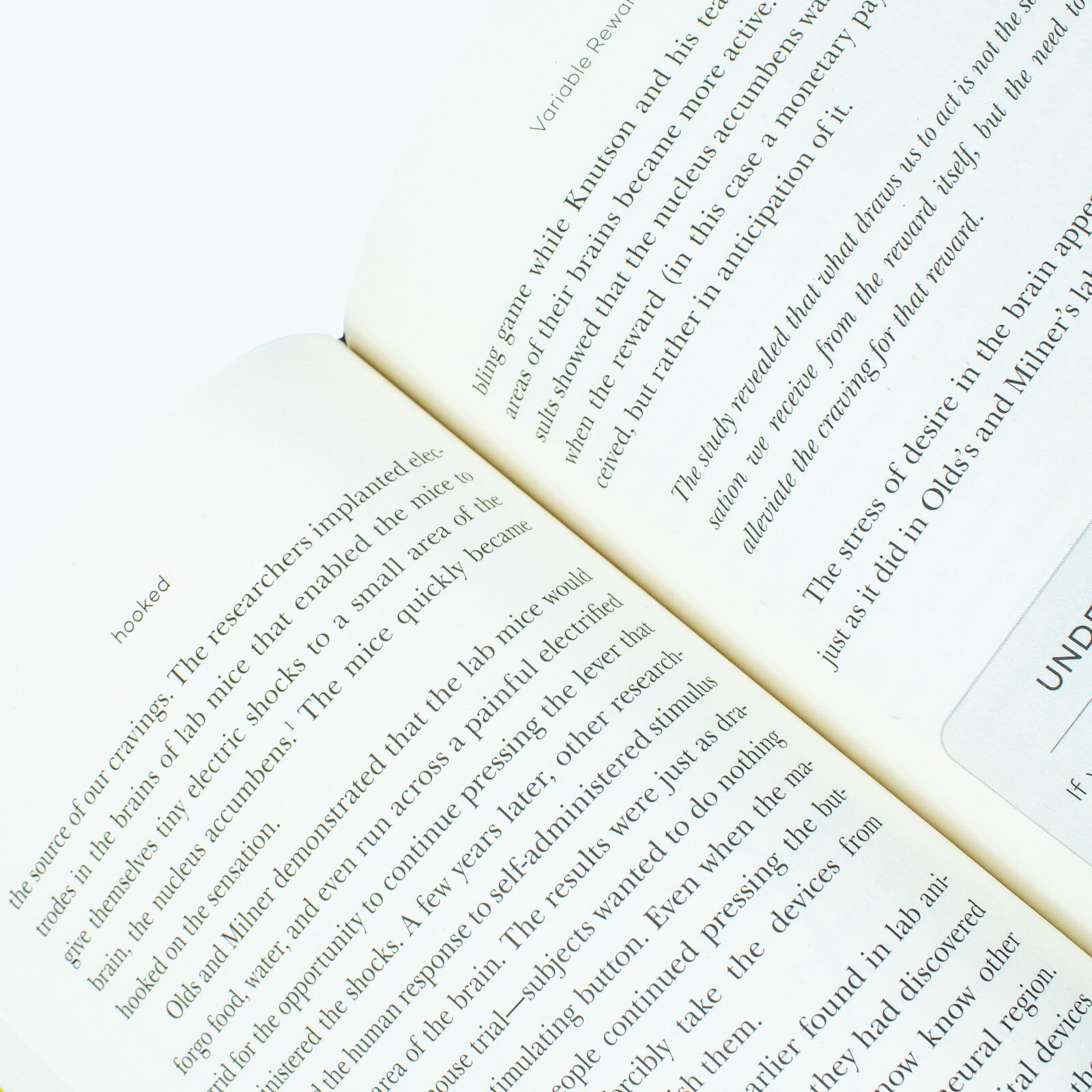
Portfolio Penguin Hooked: How to Build Habit-Forming Products by Nir EyalNir Eyal reveals how successful companies create products people can't put down - and how you can tooWhy do some products capture our attention while others flop? What makes us engage with certain things out of sheer habit? Is there an underlying pattern to how technologies hook us?Nir Eyal answers these questions (and many more) with the Hook Model - a four-step process that, when embedded into products, subtly encourages customer behaviour. Through consecutive "hook cycles," these products bring people back again and again without depending on costly advertising or aggressive messaging.Hooked is based on Eyal's years of research, consulting, and practical experience. He wrote the book he wished had been available to him as a start-up founder - not abstract theory, but a how-to guide for building better products. Hooked is written for product managers, designers, marketers, start-up founders, and anyone who seeks to understand how products influence our behaviour.Eyal provides readers with practical insights to create user habits that stick; actionable steps for building products people love; and riveting examples from the iPhone to Twitter, Pinterest and the Bible App.7,98 £*Shipping: 2,99 £Secure redirect to the provider



-
What are tolerances and fits?
Tolerances and fits are important concepts in engineering and manufacturing that determine the allowable deviation in dimensions of mating parts. Tolerance refers to the acceptable range of variation in a part's dimensions, while fit describes how two parts with specified tolerances will fit together. The fit between two parts can be categorized as clearance fit, interference fit, or transition fit, depending on the relative sizes of the parts and the intended level of interference between them. Properly defining tolerances and fits is crucial for ensuring that parts will function correctly when assembled. **
-
What are fits and tolerances 2?
Fits and tolerances are a system used to control the dimensions and quality of mating parts in engineering and manufacturing. The fit refers to the degree of tightness or looseness between two mating parts, while the tolerance refers to the allowable variation in the dimensions of a part. By specifying fits and tolerances, engineers can ensure that parts fit together properly and function as intended. This system helps to minimize errors and ensure consistency in the production of mechanical components. **
-
What are the angular tolerances in millimeters?
The angular tolerances in millimeters are typically very small, often in the range of 0.1 to 0.5 millimeters. These tolerances are crucial for ensuring the precise alignment and fit of components in various mechanical and engineering applications. Meeting these tight angular tolerances is essential for maintaining the functionality, performance, and safety of the final product. **
-
What is the topic of general tolerances?
General tolerances refer to the acceptable deviation or variation in dimensions or properties of a part or product during the manufacturing process. These tolerances are typically specified in engineering drawings to ensure that the final product meets the required quality standards. General tolerances cover a range of factors such as dimensions, form, position, and orientation, and help to ensure that parts can fit and function together properly. Adhering to general tolerances is crucial for achieving consistency, interchangeability, and overall quality in manufacturing processes. **


What ISO tolerances are possible when turning?
When turning, ISO tolerances ranging from IT6 to IT11 are commonly achievable. IT6 is a very tight tolerance, while IT11 is a looser tolerance. The specific tolerance that can be achieved will depend on factors such as the material being turned, the cutting tools used, and the skill of the machinist. It is important to carefully consider the required tolerances for the specific application when selecting the appropriate ISO tolerance for turning. **
What are the tolerances for DHL parcels?
The tolerances for DHL parcels can vary depending on the specific service and destination. Generally, DHL allows for a weight tolerance of +/- 0.5kg for parcels. Additionally, there may be size restrictions for parcels, with dimensions typically ranging from a minimum of 15cm x 11cm x 1cm to a maximum of 120cm x 80cm x 80cm. It is important to check the specific guidelines for the type of service and destination when sending a parcel with DHL to ensure it meets the required tolerances. **
Top-Angebote
Products related to Tolerances:
-
Smells Like Spells Norse Magic Bragi incense sticks (inspiration/creativity) 50 gSmells Like Spells Norse Magic Bragi, 50 g, Incense Sticks Home Scents, Smells Like Spells Norse Magic Bragi incense sticks are suitable for scenting spaces and creating a pleasant atmosphere. They help prevent stress, have a positive effect on the human psyche, calm the mind and are also a disinfectant. Characteristics: a fresh fragrance a herbal aroma How to use: Light the end of the incense stick and blow out the flame. Place the stick in a holder. Make sure there is no draught in the room. Place the holder on a hard surface so that it does not fall over. Do not leave the product within the reach of children or pets.6,10 £*Shipping: 3,99 £Secure redirect to the provider
-
KALATY Portfolio Java/Brown Wool Handmade Area RugBring epoch-straddling appeal to a casual living room with this Portfolio rug. Pairing classic, architecture-inspired motifs and a brown finish for understated appeal, this rug is Handmade from wool and viscose for resilience.64,37 $*Shipping: 0,00 $Secure redirect to the provider
-
What are the tolerances?
Tolerances refer to the allowable deviation from a specified dimension or value in a manufacturing process. They ensure that the final product meets the required specifications and functions correctly. Tolerances are typically expressed as a range or limit within which a part or product must fall to be considered acceptable. Tighter tolerances result in higher precision but may also increase production costs. **
-
When are general tolerances necessary?
General tolerances are necessary when specific tolerances are not provided or required for a particular dimension or feature. They help ensure that the overall quality and functionality of a part or product are maintained within acceptable limits. General tolerances are typically used in situations where precise measurements are not critical, allowing for a more cost-effective and efficient manufacturing process. **
-
What are tolerances and fits?
Tolerances and fits are important concepts in engineering and manufacturing that determine the allowable deviation in dimensions of mating parts. Tolerance refers to the acceptable range of variation in a part's dimensions, while fit describes how two parts with specified tolerances will fit together. The fit between two parts can be categorized as clearance fit, interference fit, or transition fit, depending on the relative sizes of the parts and the intended level of interference between them. Properly defining tolerances and fits is crucial for ensuring that parts will function correctly when assembled. **
-
What are fits and tolerances 2?
Fits and tolerances are a system used to control the dimensions and quality of mating parts in engineering and manufacturing. The fit refers to the degree of tightness or looseness between two mating parts, while the tolerance refers to the allowable variation in the dimensions of a part. By specifying fits and tolerances, engineers can ensure that parts fit together properly and function as intended. This system helps to minimize errors and ensure consistency in the production of mechanical components. **
Similar search terms for Tolerances
-
Portfolio Penguin Hooked: How to Build Habit-Forming Products by Nir EyalNir Eyal reveals how successful companies create products people can't put down - and how you can tooWhy do some products capture our attention while others flop? What makes us engage with certain things out of sheer habit? Is there an underlying pattern to how technologies hook us?Nir Eyal answers these questions (and many more) with the Hook Model - a four-step process that, when embedded into products, subtly encourages customer behaviour. Through consecutive "hook cycles," these products bring people back again and again without depending on costly advertising or aggressive messaging.Hooked is based on Eyal's years of research, consulting, and practical experience. He wrote the book he wished had been available to him as a start-up founder - not abstract theory, but a how-to guide for building better products. Hooked is written for product managers, designers, marketers, start-up founders, and anyone who seeks to understand how products influence our behaviour.Eyal provides readers with practical insights to create user habits that stick; actionable steps for building products people love; and riveting examples from the iPhone to Twitter, Pinterest and the Bible App.7,98 £*Shipping: 2,99 £Secure redirect to the provider
-
What are the angular tolerances in millimeters?
The angular tolerances in millimeters are typically very small, often in the range of 0.1 to 0.5 millimeters. These tolerances are crucial for ensuring the precise alignment and fit of components in various mechanical and engineering applications. Meeting these tight angular tolerances is essential for maintaining the functionality, performance, and safety of the final product. **
-
What is the topic of general tolerances?
General tolerances refer to the acceptable deviation or variation in dimensions or properties of a part or product during the manufacturing process. These tolerances are typically specified in engineering drawings to ensure that the final product meets the required quality standards. General tolerances cover a range of factors such as dimensions, form, position, and orientation, and help to ensure that parts can fit and function together properly. Adhering to general tolerances is crucial for achieving consistency, interchangeability, and overall quality in manufacturing processes. **
-
What ISO tolerances are possible when turning?
When turning, ISO tolerances ranging from IT6 to IT11 are commonly achievable. IT6 is a very tight tolerance, while IT11 is a looser tolerance. The specific tolerance that can be achieved will depend on factors such as the material being turned, the cutting tools used, and the skill of the machinist. It is important to carefully consider the required tolerances for the specific application when selecting the appropriate ISO tolerance for turning. **
-
What are the tolerances for DHL parcels?
The tolerances for DHL parcels can vary depending on the specific service and destination. Generally, DHL allows for a weight tolerance of +/- 0.5kg for parcels. Additionally, there may be size restrictions for parcels, with dimensions typically ranging from a minimum of 15cm x 11cm x 1cm to a maximum of 120cm x 80cm x 80cm. It is important to check the specific guidelines for the type of service and destination when sending a parcel with DHL to ensure it meets the required tolerances. **
* All prices are inclusive of VAT and, if applicable, plus shipping costs. The offer information is based on the details provided by the respective shop and is updated through automated processes. Real-time updates do not occur, so deviations can occur in individual cases. ** Note: Parts of this content were created by AI.