Buy tomaszwieczorek.eu ?
We are moving the project
tomaszwieczorek.eu .
Are you interested in purchasing the domain
tomaszwieczorek.eu ?
domain@kv-gmbh.de · 0541-91531010
Buy tomaszwieczorek.eu ?
What are chamfers on a workpiece?
Chamfers are beveled edges or corners on a workpiece that are created by cutting away material at a 45-degree angle. Chamfers are often added to workpieces to remove sharp edges, improve aesthetics, and make assembly easier by allowing parts to fit together more smoothly. They can be created using various tools such as chamfer mills, countersinks, or hand tools like files or sandpaper. Chamfers are commonly used in woodworking, metalworking, and other manufacturing processes to enhance the overall quality and functionality of a part. **
How do you calculate a workpiece?
To calculate a workpiece, you need to measure its dimensions such as length, width, and height using a ruler or calipers. Then, you can calculate the volume of the workpiece by multiplying its length, width, and height. If the workpiece is irregularly shaped, you may need to use more advanced techniques such as 3D scanning or computer-aided design (CAD) software to accurately calculate its dimensions and volume. Additionally, if the workpiece is made of a specific material, you may need to calculate its weight by multiplying its volume by the density of the material. **


Similar search terms for Workpiece
Top-Angebote
Products related to Workpiece:
-
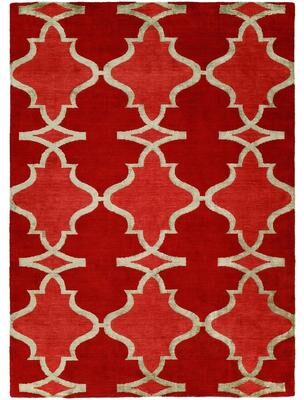
KALATY Portfolio Red Hot Handmade Area RugInvite vibrancy into your classic interior with the bold red motif of this area rug. The Handmade wool construction infuses warmth and texture into your room, and the touch of silkette adds a silky sheen.279,99 $*Shipping: 0,00 $Secure redirect to the provider
-
Portfolio Penguin Hooked: How to Build Habit-Forming Products by Nir EyalNir Eyal reveals how successful companies create products people can't put down - and how you can tooWhy do some products capture our attention while others flop? What makes us engage with certain things out of sheer habit? Is there an underlying pattern to how technologies hook us?Nir Eyal answers these questions (and many more) with the Hook Model - a four-step process that, when embedded into products, subtly encourages customer behaviour. Through consecutive "hook cycles," these products bring people back again and again without depending on costly advertising or aggressive messaging.Hooked is based on Eyal's years of research, consulting, and practical experience. He wrote the book he wished had been available to him as a start-up founder - not abstract theory, but a how-to guide for building better products. Hooked is written for product managers, designers, marketers, start-up founders, and anyone who seeks to understand how products influence our behaviour.Eyal provides readers with practical insights to create user habits that stick; actionable steps for building products people love; and riveting examples from the iPhone to Twitter, Pinterest and the Bible App.7,98 £*Shipping: 2,99 £Secure redirect to the provider
-
Portfolio Penguin The Communication Book: 44 Ideas for Better Conversations Every DayLEARN THE TECHNIQUES YOU NEED TO COMMUNICATE BETTER AT WORK AND HOME 'Communication is a bit like love - it's what makes the world go round, but nobody really knows how it works.' Struggle to find the words in meetings? Know what you mean but not how to say it? From Aristotle's thoughts on presenting to the Harvard Negotiation Project, internationally bestselling duo Mikael Krogerus and Roman Tschäppeler have 44 tried and tested ideas to change that. Distilled into a single volume, their winning marriage of practicality and humour turns seemingly difficult ideas into clear and entertaining diagrams that will help you: -Brush up on your listening skills and small talk -Run better meetings -Improve the conversations in your head Whether you're a CEO, just starting out or want to improve your relationships at home, this guide will improve your communication skills and help you form more meaningful connections.6,99 £*Shipping: 2,99 £Secure redirect to the provider



-
What is a workpiece for wind energy?
A workpiece for wind energy refers to the component or part that is being manufactured or assembled for use in a wind turbine or other wind energy system. This could include the blades, tower sections, nacelle, or other parts that make up the overall wind turbine. The workpiece is typically fabricated using materials such as fiberglass, carbon fiber, steel, or aluminum, and must be designed to withstand the harsh environmental conditions and mechanical stresses experienced in a wind energy application. The quality and precision of the workpiece are crucial to the overall performance and reliability of the wind energy system. **
-
Is photography sufficient as a portfolio for studying interior design?
Photography can be a valuable component of an interior design portfolio, as it allows students to showcase their ability to capture and present their design work. However, a comprehensive interior design portfolio should also include hand-drawn sketches, technical drawings, mood boards, and other visual representations of design concepts. These additional elements demonstrate a student's creativity, technical skills, and design process, which are important aspects of studying interior design. Therefore, while photography is important, it should be supplemented with a variety of other visual materials to create a well-rounded portfolio for studying interior design. **
-
How do you calculate the volume of this workpiece?
To calculate the volume of the workpiece, you would first need to measure the length, width, and height of the workpiece using a ruler or measuring tape. Once you have these measurements, you would then multiply the length by the width and then multiply that result by the height. This will give you the volume of the workpiece in cubic units (such as cubic inches or cubic centimeters). If the workpiece has a more complex shape, you may need to use a different method, such as measuring displacement in water or using a 3D scanner to create a digital model for volume calculation. **
-
How do you calculate the volume of a workpiece?
To calculate the volume of a workpiece, you would first need to measure the length, width, and height of the workpiece using a ruler or measuring tape. Once you have these measurements, you would then multiply the length by the width and then by the height to get the volume. For example, if the workpiece measures 5 inches in length, 3 inches in width, and 4 inches in height, the volume would be 5 x 3 x 4 = 60 cubic inches. This calculation gives you the total amount of space the workpiece occupies. **

Do you have an idea for a metal workpiece?
Yes, I have an idea for a metal workpiece. I envision creating a decorative wall art piece using a combination of metal and wood. The metal portion would be intricately cut and shaped to form a nature-inspired design, such as a tree or a mountain landscape, while the wood would provide a warm and natural backdrop. This piece would be a unique and eye-catching addition to any home or office space. **
Does the electrode touch the workpiece during gas shielded welding?
No, the electrode does not touch the workpiece during gas shielded welding. In gas shielded welding, such as MIG (Metal Inert Gas) or TIG (Tungsten Inert Gas) welding, the electrode is held at a distance from the workpiece. The heat generated by the electric arc melts the electrode and the workpiece, creating a weld without the need for the electrode to physically touch the workpiece. The gas shield surrounding the weld area protects the molten metal from atmospheric contamination, ensuring a strong and clean weld. **
Top-Angebote
Products related to Workpiece:
-
KALATY Portfolio Red Hot Handmade Area RugInvite vibrancy into your classic interior with the bold red motif of this area rug. The Handmade wool construction infuses warmth and texture into your room, and the touch of silkette adds a silky sheen.279,99 $*Shipping: 0,00 $Secure redirect to the provider
-
What are chamfers on a workpiece?
Chamfers are beveled edges or corners on a workpiece that are created by cutting away material at a 45-degree angle. Chamfers are often added to workpieces to remove sharp edges, improve aesthetics, and make assembly easier by allowing parts to fit together more smoothly. They can be created using various tools such as chamfer mills, countersinks, or hand tools like files or sandpaper. Chamfers are commonly used in woodworking, metalworking, and other manufacturing processes to enhance the overall quality and functionality of a part. **
-
How do you calculate a workpiece?
To calculate a workpiece, you need to measure its dimensions such as length, width, and height using a ruler or calipers. Then, you can calculate the volume of the workpiece by multiplying its length, width, and height. If the workpiece is irregularly shaped, you may need to use more advanced techniques such as 3D scanning or computer-aided design (CAD) software to accurately calculate its dimensions and volume. Additionally, if the workpiece is made of a specific material, you may need to calculate its weight by multiplying its volume by the density of the material. **
-
What is a workpiece for wind energy?
A workpiece for wind energy refers to the component or part that is being manufactured or assembled for use in a wind turbine or other wind energy system. This could include the blades, tower sections, nacelle, or other parts that make up the overall wind turbine. The workpiece is typically fabricated using materials such as fiberglass, carbon fiber, steel, or aluminum, and must be designed to withstand the harsh environmental conditions and mechanical stresses experienced in a wind energy application. The quality and precision of the workpiece are crucial to the overall performance and reliability of the wind energy system. **
-
Is photography sufficient as a portfolio for studying interior design?
Photography can be a valuable component of an interior design portfolio, as it allows students to showcase their ability to capture and present their design work. However, a comprehensive interior design portfolio should also include hand-drawn sketches, technical drawings, mood boards, and other visual representations of design concepts. These additional elements demonstrate a student's creativity, technical skills, and design process, which are important aspects of studying interior design. Therefore, while photography is important, it should be supplemented with a variety of other visual materials to create a well-rounded portfolio for studying interior design. **
Similar search terms for Workpiece
-
Portfolio Penguin Hooked: How to Build Habit-Forming Products by Nir EyalNir Eyal reveals how successful companies create products people can't put down - and how you can tooWhy do some products capture our attention while others flop? What makes us engage with certain things out of sheer habit? Is there an underlying pattern to how technologies hook us?Nir Eyal answers these questions (and many more) with the Hook Model - a four-step process that, when embedded into products, subtly encourages customer behaviour. Through consecutive "hook cycles," these products bring people back again and again without depending on costly advertising or aggressive messaging.Hooked is based on Eyal's years of research, consulting, and practical experience. He wrote the book he wished had been available to him as a start-up founder - not abstract theory, but a how-to guide for building better products. Hooked is written for product managers, designers, marketers, start-up founders, and anyone who seeks to understand how products influence our behaviour.Eyal provides readers with practical insights to create user habits that stick; actionable steps for building products people love; and riveting examples from the iPhone to Twitter, Pinterest and the Bible App.7,98 £*Shipping: 2,99 £Secure redirect to the provider
-
Portfolio Penguin The Communication Book: 44 Ideas for Better Conversations Every DayLEARN THE TECHNIQUES YOU NEED TO COMMUNICATE BETTER AT WORK AND HOME 'Communication is a bit like love - it's what makes the world go round, but nobody really knows how it works.' Struggle to find the words in meetings? Know what you mean but not how to say it? From Aristotle's thoughts on presenting to the Harvard Negotiation Project, internationally bestselling duo Mikael Krogerus and Roman Tschäppeler have 44 tried and tested ideas to change that. Distilled into a single volume, their winning marriage of practicality and humour turns seemingly difficult ideas into clear and entertaining diagrams that will help you: -Brush up on your listening skills and small talk -Run better meetings -Improve the conversations in your head Whether you're a CEO, just starting out or want to improve your relationships at home, this guide will improve your communication skills and help you form more meaningful connections.6,99 £*Shipping: 2,99 £Secure redirect to the provider
-
Stupell Pink Flamingo Flock Printed Throw Pillow Design By Pink Sherbet PhotographyUpdate your home interiors easily with Stupell Industries' Decorative Printed Pillow. Pillows are printed in a wide variety of colors, styles and trends. Pillows arrive with inserts already zipped inside their case.40,49 $*Shipping: 0,00 $Secure redirect to the provider
-
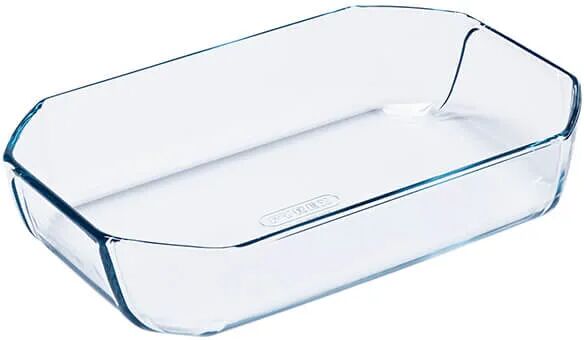
Pyrex Inspiration 35 x 22cm Rectangular RoasterThe Pyrex Inspiration Rectangular Roaster is made from high borosilicate glass that is thermal shock resistant up to 220°C. The geometric shape of the eye catching design features integrated handles ideal for serving oven baked meals and has a 10 year guarantee. This glass Roaster can store food in the fridge and freezer for easy food preparation. The Pyrex Inspiration Rectangular Roaster is 35 x 22cm.16,19 £*Shipping: 3,50 £Secure redirect to the provider
-
How do you calculate the volume of this workpiece?
To calculate the volume of the workpiece, you would first need to measure the length, width, and height of the workpiece using a ruler or measuring tape. Once you have these measurements, you would then multiply the length by the width and then multiply that result by the height. This will give you the volume of the workpiece in cubic units (such as cubic inches or cubic centimeters). If the workpiece has a more complex shape, you may need to use a different method, such as measuring displacement in water or using a 3D scanner to create a digital model for volume calculation. **
-
How do you calculate the volume of a workpiece?
To calculate the volume of a workpiece, you would first need to measure the length, width, and height of the workpiece using a ruler or measuring tape. Once you have these measurements, you would then multiply the length by the width and then by the height to get the volume. For example, if the workpiece measures 5 inches in length, 3 inches in width, and 4 inches in height, the volume would be 5 x 3 x 4 = 60 cubic inches. This calculation gives you the total amount of space the workpiece occupies. **
-
Do you have an idea for a metal workpiece?
Yes, I have an idea for a metal workpiece. I envision creating a decorative wall art piece using a combination of metal and wood. The metal portion would be intricately cut and shaped to form a nature-inspired design, such as a tree or a mountain landscape, while the wood would provide a warm and natural backdrop. This piece would be a unique and eye-catching addition to any home or office space. **
-
Does the electrode touch the workpiece during gas shielded welding?
No, the electrode does not touch the workpiece during gas shielded welding. In gas shielded welding, such as MIG (Metal Inert Gas) or TIG (Tungsten Inert Gas) welding, the electrode is held at a distance from the workpiece. The heat generated by the electric arc melts the electrode and the workpiece, creating a weld without the need for the electrode to physically touch the workpiece. The gas shield surrounding the weld area protects the molten metal from atmospheric contamination, ensuring a strong and clean weld. **
* All prices are inclusive of VAT and, if applicable, plus shipping costs. The offer information is based on the details provided by the respective shop and is updated through automated processes. Real-time updates do not occur, so deviations can occur in individual cases. ** Note: Parts of this content were created by AI.