Buy tomaszwieczorek.eu ?
We are moving the project
tomaszwieczorek.eu .
Are you interested in purchasing the domain
tomaszwieczorek.eu ?
domain@kv-gmbh.de · 0541-91531010
Buy tomaszwieczorek.eu ?
What are salicylic acid and acetylsalicylic acid?
Salicylic acid is a naturally occurring compound found in plants, particularly in the bark of willow trees. It is commonly used in skincare products for its exfoliating and anti-inflammatory properties. Acetylsalicylic acid, also known as aspirin, is a synthetic derivative of salicylic acid. It is widely used as a pain reliever, fever reducer, and anti-inflammatory medication. Both salicylic acid and acetylsalicylic acid belong to the class of compounds known as salicylates. **
How is salicylic acid produced from acetylsalicylic acid?
Salicylic acid is produced from acetylsalicylic acid through a process called hydrolysis. In this process, acetylsalicylic acid is mixed with water and a strong acid, such as sulfuric acid, to break the ester bond in acetylsalicylic acid. This reaction results in the formation of salicylic acid and acetic acid. Salicylic acid can then be isolated and purified from the reaction mixture. This process allows for the conversion of acetylsalicylic acid, commonly known as aspirin, into salicylic acid, which is used in various skincare products and as a precursor for the production of other pharmaceuticals. **


Similar search terms for Acetylsalicylic
Top-Angebote
Products related to Acetylsalicylic:
-
KALATY Portfolio Java/Brown Wool Handmade Area RugBring epoch-straddling appeal to a casual living room with this Portfolio rug. Pairing classic, architecture-inspired motifs and a brown finish for understated appeal, this rug is Handmade from wool and viscose for resilience.64,37 $*Shipping: 0,00 $Secure redirect to the provider
-
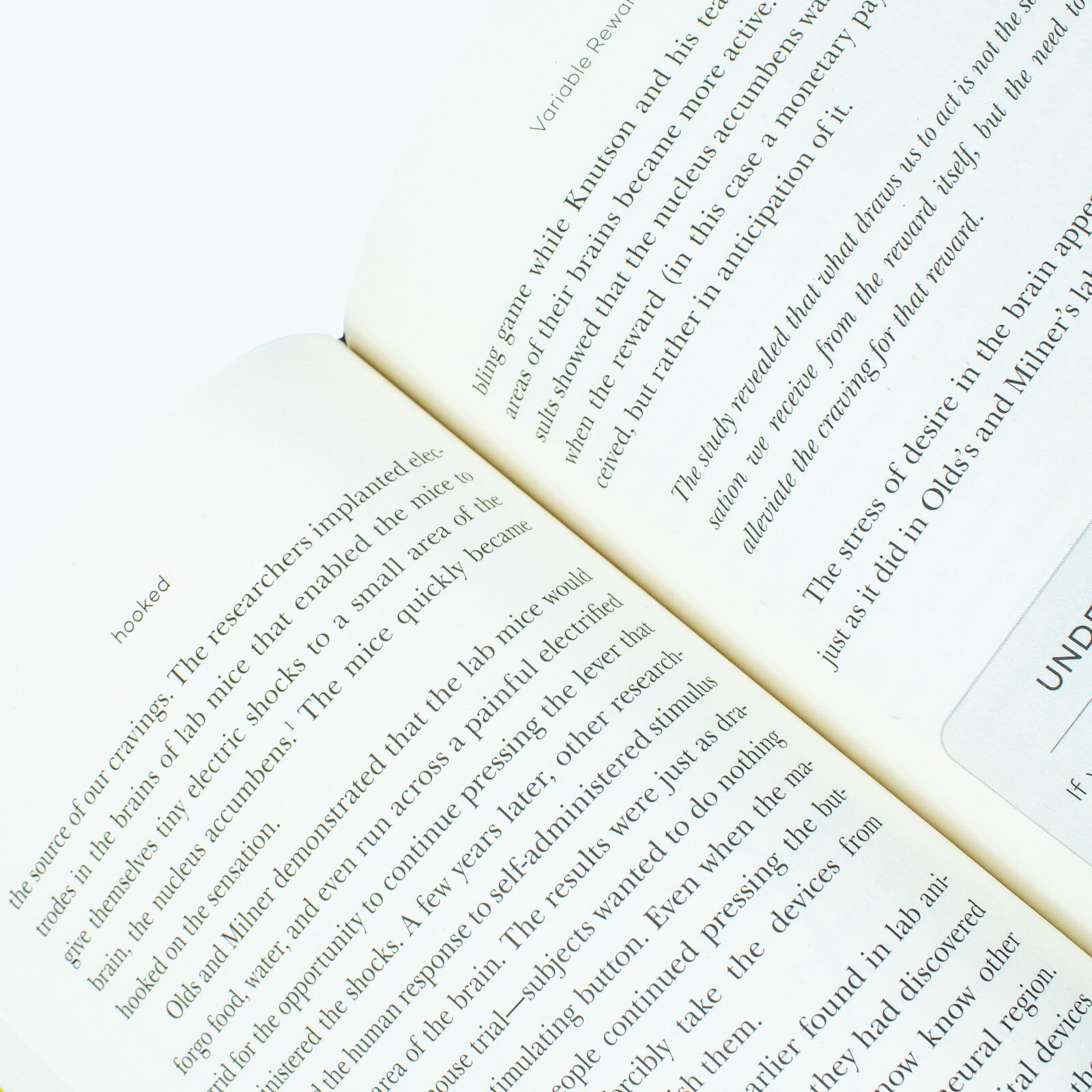
Portfolio Penguin Hooked: How to Build Habit-Forming Products by Nir EyalNir Eyal reveals how successful companies create products people can't put down - and how you can tooWhy do some products capture our attention while others flop? What makes us engage with certain things out of sheer habit? Is there an underlying pattern to how technologies hook us?Nir Eyal answers these questions (and many more) with the Hook Model - a four-step process that, when embedded into products, subtly encourages customer behaviour. Through consecutive "hook cycles," these products bring people back again and again without depending on costly advertising or aggressive messaging.Hooked is based on Eyal's years of research, consulting, and practical experience. He wrote the book he wished had been available to him as a start-up founder - not abstract theory, but a how-to guide for building better products. Hooked is written for product managers, designers, marketers, start-up founders, and anyone who seeks to understand how products influence our behaviour.Eyal provides readers with practical insights to create user habits that stick; actionable steps for building products people love; and riveting examples from the iPhone to Twitter, Pinterest and the Bible App.7,98 £*Shipping: 2,99 £Secure redirect to the provider


-
Which acid is stronger, salicylic acid or acetylsalicylic acid?
Salicylic acid is stronger than acetylsalicylic acid. This is because acetylsalicylic acid is a derivative of salicylic acid, and the addition of an acetyl group to the molecule reduces its acidity. Salicylic acid is a beta-hydroxy acid that is commonly used in skincare products for its exfoliating properties, while acetylsalicylic acid is the active ingredient in aspirin and is used primarily as a pain reliever and anti-inflammatory medication. **
-
How is the synthesis of acetylsalicylic acid carried out?
The synthesis of acetylsalicylic acid, commonly known as aspirin, is carried out through a reaction between salicylic acid and acetic anhydride. The reaction is catalyzed by a strong acid, such as sulfuric acid, which helps in the formation of the acetylsalicylic acid. The acetic anhydride reacts with the hydroxyl group of the salicylic acid, resulting in the formation of acetylsalicylic acid and acetic acid as byproduct. The reaction is typically carried out under controlled conditions, and the resulting product is then purified and isolated to obtain pure aspirin. **
-
What is the test for the purity of acetylsalicylic acid?
The test for the purity of acetylsalicylic acid involves using a method called high-performance liquid chromatography (HPLC). This method separates and analyzes the components of a mixture to determine the concentration of the target compound, in this case, acetylsalicylic acid. By comparing the peak area of the sample to a standard reference, the purity of the acetylsalicylic acid can be determined. This test is commonly used in pharmaceutical and chemical industries to ensure the quality and purity of acetylsaljsonic acid products. **
-
Why does acetylsalicylic acid (Aspirin) dissolve better in warm water?
Acetylsalicylic acid (Aspirin) dissolves better in warm water because the increase in temperature causes the water molecules to move faster and spread apart. This increased movement and spacing between water molecules allows for more interactions with the Aspirin molecules, facilitating the dissolution process. Additionally, the higher temperature can provide more energy to break the bonds holding the Aspirin molecules together, further aiding in their dissolution in water. **


Is photography sufficient as a portfolio for studying interior design?
Photography can be a valuable component of an interior design portfolio, as it allows students to showcase their ability to capture and present their design work. However, a comprehensive interior design portfolio should also include hand-drawn sketches, technical drawings, mood boards, and other visual representations of design concepts. These additional elements demonstrate a student's creativity, technical skills, and design process, which are important aspects of studying interior design. Therefore, while photography is important, it should be supplemented with a variety of other visual materials to create a well-rounded portfolio for studying interior design. **
What is the reaction equation for the titration of acetylsalicylic acid with NaOH?
The reaction equation for the titration of acetylsalicylic acid (aspirin) with NaOH is as follows: C9H8O4 (acetylsalicylic acid) + NaOH → NaC9H7O4 (sodium acetylsalicylate) + H2O In this reaction, acetylsalicylic acid reacts with sodium hydroxide to form sodium acetylsalicylate and water. The balanced equation shows the stoichiometry of the reaction between the acid and the base. **
Top-Angebote
Products related to Acetylsalicylic:
-
Smells Like Spells Norse Magic Bragi incense sticks (inspiration/creativity) 50 gSmells Like Spells Norse Magic Bragi, 50 g, Incense Sticks Home Scents, Smells Like Spells Norse Magic Bragi incense sticks are suitable for scenting spaces and creating a pleasant atmosphere. They help prevent stress, have a positive effect on the human psyche, calm the mind and are also a disinfectant. Characteristics: a fresh fragrance a herbal aroma How to use: Light the end of the incense stick and blow out the flame. Place the stick in a holder. Make sure there is no draught in the room. Place the holder on a hard surface so that it does not fall over. Do not leave the product within the reach of children or pets.6,10 £*Shipping: 3,99 £Secure redirect to the provider
-
KALATY Portfolio Java/Brown Wool Handmade Area RugBring epoch-straddling appeal to a casual living room with this Portfolio rug. Pairing classic, architecture-inspired motifs and a brown finish for understated appeal, this rug is Handmade from wool and viscose for resilience.64,37 $*Shipping: 0,00 $Secure redirect to the provider
-
What are salicylic acid and acetylsalicylic acid?
Salicylic acid is a naturally occurring compound found in plants, particularly in the bark of willow trees. It is commonly used in skincare products for its exfoliating and anti-inflammatory properties. Acetylsalicylic acid, also known as aspirin, is a synthetic derivative of salicylic acid. It is widely used as a pain reliever, fever reducer, and anti-inflammatory medication. Both salicylic acid and acetylsalicylic acid belong to the class of compounds known as salicylates. **
-
How is salicylic acid produced from acetylsalicylic acid?
Salicylic acid is produced from acetylsalicylic acid through a process called hydrolysis. In this process, acetylsalicylic acid is mixed with water and a strong acid, such as sulfuric acid, to break the ester bond in acetylsalicylic acid. This reaction results in the formation of salicylic acid and acetic acid. Salicylic acid can then be isolated and purified from the reaction mixture. This process allows for the conversion of acetylsalicylic acid, commonly known as aspirin, into salicylic acid, which is used in various skincare products and as a precursor for the production of other pharmaceuticals. **
-
Which acid is stronger, salicylic acid or acetylsalicylic acid?
Salicylic acid is stronger than acetylsalicylic acid. This is because acetylsalicylic acid is a derivative of salicylic acid, and the addition of an acetyl group to the molecule reduces its acidity. Salicylic acid is a beta-hydroxy acid that is commonly used in skincare products for its exfoliating properties, while acetylsalicylic acid is the active ingredient in aspirin and is used primarily as a pain reliever and anti-inflammatory medication. **
-
How is the synthesis of acetylsalicylic acid carried out?
The synthesis of acetylsalicylic acid, commonly known as aspirin, is carried out through a reaction between salicylic acid and acetic anhydride. The reaction is catalyzed by a strong acid, such as sulfuric acid, which helps in the formation of the acetylsalicylic acid. The acetic anhydride reacts with the hydroxyl group of the salicylic acid, resulting in the formation of acetylsalicylic acid and acetic acid as byproduct. The reaction is typically carried out under controlled conditions, and the resulting product is then purified and isolated to obtain pure aspirin. **
Similar search terms for Acetylsalicylic
-
Portfolio Penguin Hooked: How to Build Habit-Forming Products by Nir EyalNir Eyal reveals how successful companies create products people can't put down - and how you can tooWhy do some products capture our attention while others flop? What makes us engage with certain things out of sheer habit? Is there an underlying pattern to how technologies hook us?Nir Eyal answers these questions (and many more) with the Hook Model - a four-step process that, when embedded into products, subtly encourages customer behaviour. Through consecutive "hook cycles," these products bring people back again and again without depending on costly advertising or aggressive messaging.Hooked is based on Eyal's years of research, consulting, and practical experience. He wrote the book he wished had been available to him as a start-up founder - not abstract theory, but a how-to guide for building better products. Hooked is written for product managers, designers, marketers, start-up founders, and anyone who seeks to understand how products influence our behaviour.Eyal provides readers with practical insights to create user habits that stick; actionable steps for building products people love; and riveting examples from the iPhone to Twitter, Pinterest and the Bible App.7,98 £*Shipping: 2,99 £Secure redirect to the provider
-
What is the test for the purity of acetylsalicylic acid?
The test for the purity of acetylsalicylic acid involves using a method called high-performance liquid chromatography (HPLC). This method separates and analyzes the components of a mixture to determine the concentration of the target compound, in this case, acetylsalicylic acid. By comparing the peak area of the sample to a standard reference, the purity of the acetylsalicylic acid can be determined. This test is commonly used in pharmaceutical and chemical industries to ensure the quality and purity of acetylsaljsonic acid products. **
-
Why does acetylsalicylic acid (Aspirin) dissolve better in warm water?
Acetylsalicylic acid (Aspirin) dissolves better in warm water because the increase in temperature causes the water molecules to move faster and spread apart. This increased movement and spacing between water molecules allows for more interactions with the Aspirin molecules, facilitating the dissolution process. Additionally, the higher temperature can provide more energy to break the bonds holding the Aspirin molecules together, further aiding in their dissolution in water. **
-
Is photography sufficient as a portfolio for studying interior design?
Photography can be a valuable component of an interior design portfolio, as it allows students to showcase their ability to capture and present their design work. However, a comprehensive interior design portfolio should also include hand-drawn sketches, technical drawings, mood boards, and other visual representations of design concepts. These additional elements demonstrate a student's creativity, technical skills, and design process, which are important aspects of studying interior design. Therefore, while photography is important, it should be supplemented with a variety of other visual materials to create a well-rounded portfolio for studying interior design. **
-
What is the reaction equation for the titration of acetylsalicylic acid with NaOH?
The reaction equation for the titration of acetylsalicylic acid (aspirin) with NaOH is as follows: C9H8O4 (acetylsalicylic acid) + NaOH → NaC9H7O4 (sodium acetylsalicylate) + H2O In this reaction, acetylsalicylic acid reacts with sodium hydroxide to form sodium acetylsalicylate and water. The balanced equation shows the stoichiometry of the reaction between the acid and the base. **
* All prices are inclusive of VAT and, if applicable, plus shipping costs. The offer information is based on the details provided by the respective shop and is updated through automated processes. Real-time updates do not occur, so deviations can occur in individual cases. ** Note: Parts of this content were created by AI.